



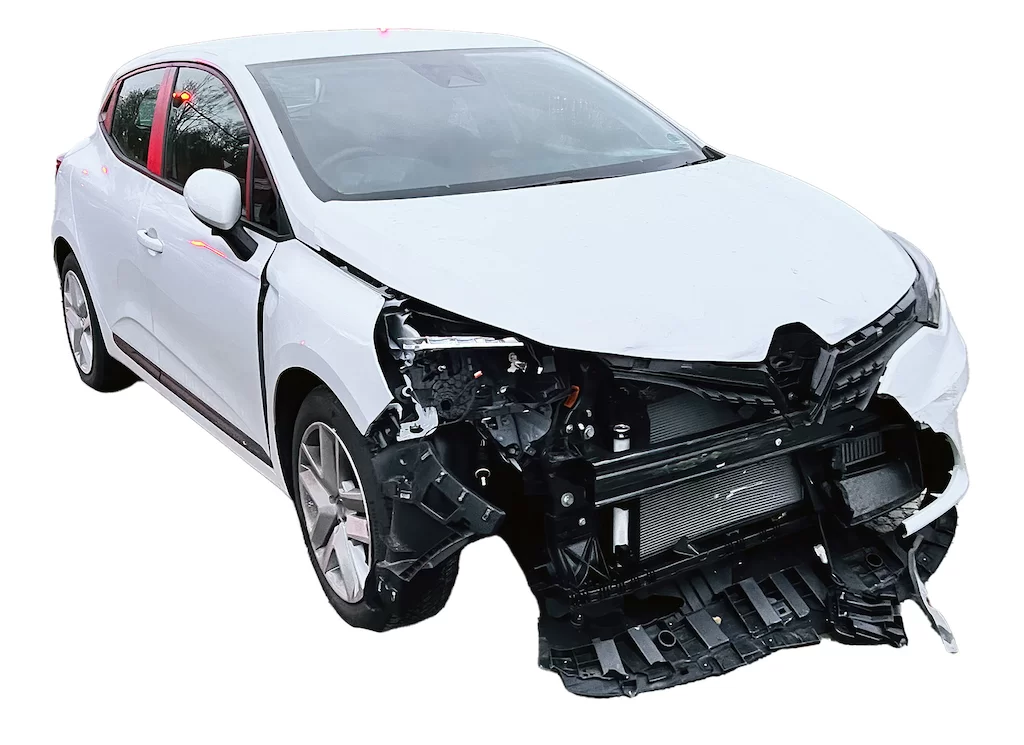
Most car owners have experienced it at some point. You take your vehicle to the mechanic for what seems like a minor issue, only to leave with a repair bill that makes you question whether keeping the car is still worth it. At first, you justify the expense because replacing a vehicle feels like a bigger financial commitment. Then another repair comes along. A few months later, another one appears.
Before long, you’re spending money regularly just to keep an ageing vehicle on the road. The truth is that every car reaches a point where ownership becomes more expensive than it is practical. While some vehicles continue providing reliable service for many years, others gradually become financial burdens that consume more money than they are worth.
If you’re wondering whether it’s time to move on from your current vehicle, here are five common signs that your old car may be costing you more than it’s worth.
1. Repair Bills Are Becoming a Regular Event
Every vehicle requires maintenance. Routine servicing, tyre replacements, and occasional repairs are all part of responsible vehicle ownership. However, there is a significant difference between normal maintenance and constant repair work.
If your car seems to spend almost as much time at the workshop as it does on the road, it may be time to evaluate whether continuing repairs make financial sense.
Many owners fall into what mechanics sometimes refer to as the “just one more repair” cycle. A water pump fails, so they replace it. A few months later, the transmission develops issues. Shortly afterwards, suspension components need attention.
Each individual repair may appear manageable, but the total cost over a year can become substantial.
When repair expenses begin approaching the value of the vehicle itself, continuing to invest money into the car often becomes difficult to justify.
A useful question to ask yourself is simple: if someone offered you your car’s current market value today, would you spend that same amount on repairs?
If the answer is no, it may be time to reconsider your options.
2. Your Vehicle Is Becoming Less Reliable
Reliability has value. A reliable car gets you to work on time, helps you meet family commitments, and allows you to travel without constantly worrying about breakdowns.
As vehicles age, reliability often begins to decline. Problems may start small, such as occasional warning lights or intermittent electrical faults. Over time, those issues can become more frequent and more disruptive.
Many drivers eventually reach a stage where they no longer fully trust their vehicle. They hesitate before taking longer trips. They worry about whether the engine will start in the morning. They keep emergency roadside assistance numbers close at hand because they know there is a genuine possibility they may need them.
That uncertainty carries a cost. Even if the vehicle remains technically roadworthy, the inconvenience and stress associated with poor reliability can make ownership far less enjoyable.
A vehicle should provide confidence, not constant concern.
3. Fuel Costs Are Higher Than They Should Be
Fuel prices are an unavoidable part of driving, but some vehicles consume far more fuel than necessary.
Older cars were built in an era when fuel efficiency was often less important than it is today. Advances in engine technology have allowed newer vehicles to travel further while using less fuel.
As engines age, efficiency can decline even further. Worn components, sensor issues, and general wear and tear can all contribute to increased fuel consumption.
Many owners become accustomed to frequent visits to the petrol station without realising how much they are spending compared to modern alternatives.
While fuel costs alone may not justify replacing a vehicle, they can become a significant factor when combined with rising maintenance expenses and declining reliability.
Over the course of a year, the difference can be surprisingly substantial.
4. The Car Is Losing Value Faster Than You Think
Depreciation affects every vehicle. The challenge with older cars is that owners sometimes continue investing money into repairs while the vehicle itself continues losing value.
Imagine spending several thousand dollars repairing a vehicle that may only be worth a similar amount on the open market. While the repairs may temporarily improve performance, they rarely increase the car’s value by the same amount.
This creates a situation where owners are effectively putting money into an asset that continues declining in value.
Many people only realise this after reviewing their repair history. A vehicle that seemed worth saving a few years ago may now be worth significantly less, despite ongoing investment.
The financial gap between what has been spent and what the vehicle is actually worth can become surprisingly large.
At some stage, continuing repairs becomes less about preserving value and more about delaying a decision.
5. You Keep Saying You’ll Replace It Soon
This final sign is often the most revealing. Have you been talking about replacing your car for the last six months? What about the last year?
Many owners instinctively know when their vehicle is nearing the end of its practical lifespan. They discuss upgrading with friends, browse vehicle listings online, and start researching alternatives.
Yet they continue driving the same ageing vehicle because replacing it feels like a task for another day.
If you’ve already accepted that the vehicle will eventually be replaced, it may be worth considering whether continuing to spend money on repairs is the best use of your budget.
Delaying the decision often means spending additional money on a car that you already know you do not intend to keep long term.
In many cases, taking action sooner can reduce overall costs and eliminate future headaches.
Why Many Owners Wait Too Long
There is a psychological reason people hold onto ageing vehicles. Part of it comes from familiarity. You know the car’s history, strengths, and weaknesses. Replacing it introduces uncertainty.
Some owners also focus on the money they have already invested. After spending thousands on repairs, it can feel wasteful to walk away.
However, previous expenses should not determine future decisions. The money already spent cannot be recovered. What matters is whether continuing ownership makes financial sense from this point forward.
Looking at the situation objectively often provides a clearer answer.
What Are Your Options?
If your vehicle is showing several of these warning signs, it may be time to explore alternatives. Trading the car, selling it privately, or upgrading to a newer vehicle are all common options. However, not every ageing vehicle attracts strong interest from private buyers.
Cars with mechanical issues, accident damage, high kilometres, or registration problems can be difficult to sell through traditional methods.
This is one reason many owners consider Cash for Cars Sydney services when they decide it is time to move on.
Rather than spending weeks advertising the vehicle and negotiating with potential buyers, they can sell the vehicle in its current condition and receive payment without the usual complications.
Turning an Old Car Into Immediate Value
Many people assume their ageing vehicle has little value because of its condition. In reality, unwanted cars often retain value through recyclable materials, reusable components, and salvage opportunities.
Whether the vehicle is old, damaged, unregistered, or no longer running, it may still qualify for a Cash for Cars service.
Instead of continuing to spend money on repairs, registration, insurance, and maintenance, owners can convert the vehicle into immediate cash while eliminating future expenses.
Final Thoughts
Every vehicle eventually reaches a point where ownership becomes more costly than beneficial. Rising repair bills, declining reliability, poor fuel efficiency, ongoing depreciation, and repeated thoughts about replacing the vehicle are all strong indicators that it may be time to reassess your situation.
Holding onto an ageing car often feels like the easier option in the short term. However, continuing to invest money into a vehicle that no longer meets your needs can become surprisingly expensive over time.
If your car is showing several of these signs, exploring a Cash for Cars Sydney solution may be a practical way to move forward, free up space, and put money back in your pocket instead of continually spending it on an asset that keeps demanding more.