
Dubai’s growth is increasingly moving beyond its long-established residential hubs. Major infrastructure projects, new master-planned communities and the expansion of the city towards the south and west are putting several areas firmly on the radar in 2026. From the transformation around Al Maktoum International Airport to new waterfront communities and sustainable residential districts, these are five Dubai neighbourhoods seeing significant development momentum this year. Savills research has previously highlighted growing demand around Dubai South and Expo City as businesses and residents look towards newer districts with expanding infrastructure.
Where: Dubai | When: 2026 | Location: Various areas across Dubai, UAE
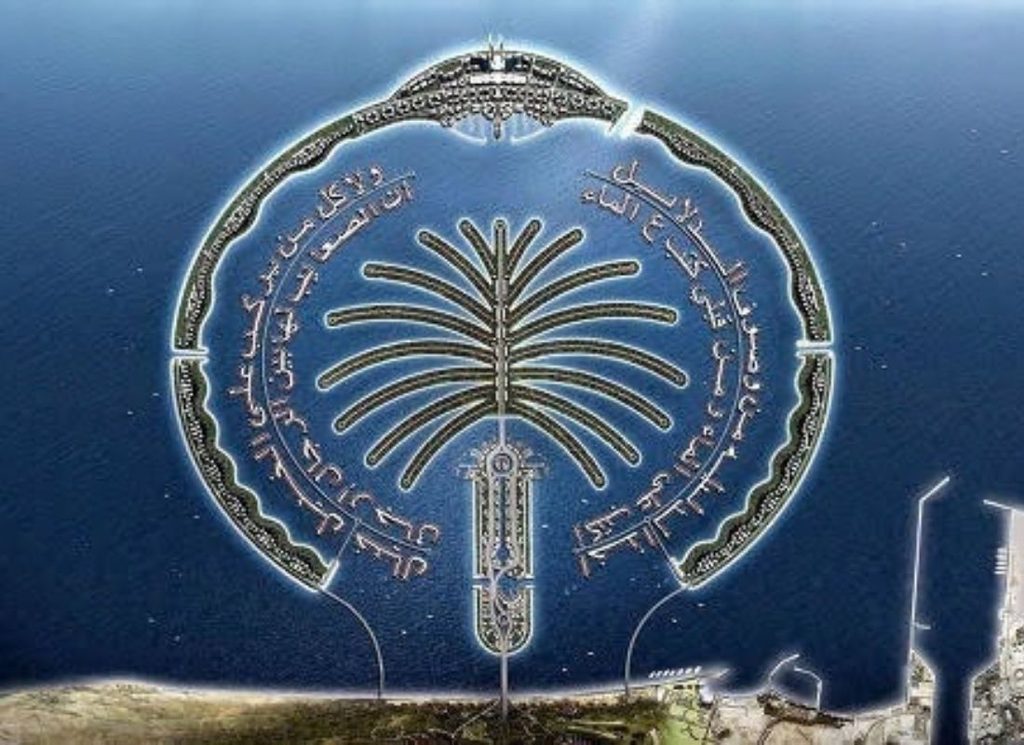
Palm Jebel Ali is taking shape as Dubai’s next major waterfront address
©Photo edited by Canva.com
Palm Jebel Ali has moved decisively from masterplan to active construction. Nakheel describes the development as a new waterfront destination built across seven islands and 16 fronds, with more than 90 kilometres of beachfront planned across the wider project. In 2026, construction has continued across multiple villa fronds, while new beachfront residences have also been released.
The wider Jebel Ali corridor also benefits from Dubai’s continuing expansion towards the south, including new aviation, logistics and residential infrastructure. Palm Jebel Ali itself is being planned with hotels, retail, parks, promenades, beach clubs and wellness facilities, giving the area the foundations of a full-scale lifestyle destination rather than simply a villa development.
Where: Palm Jebel Ali | Location: Jebel Ali coastline, Dubai
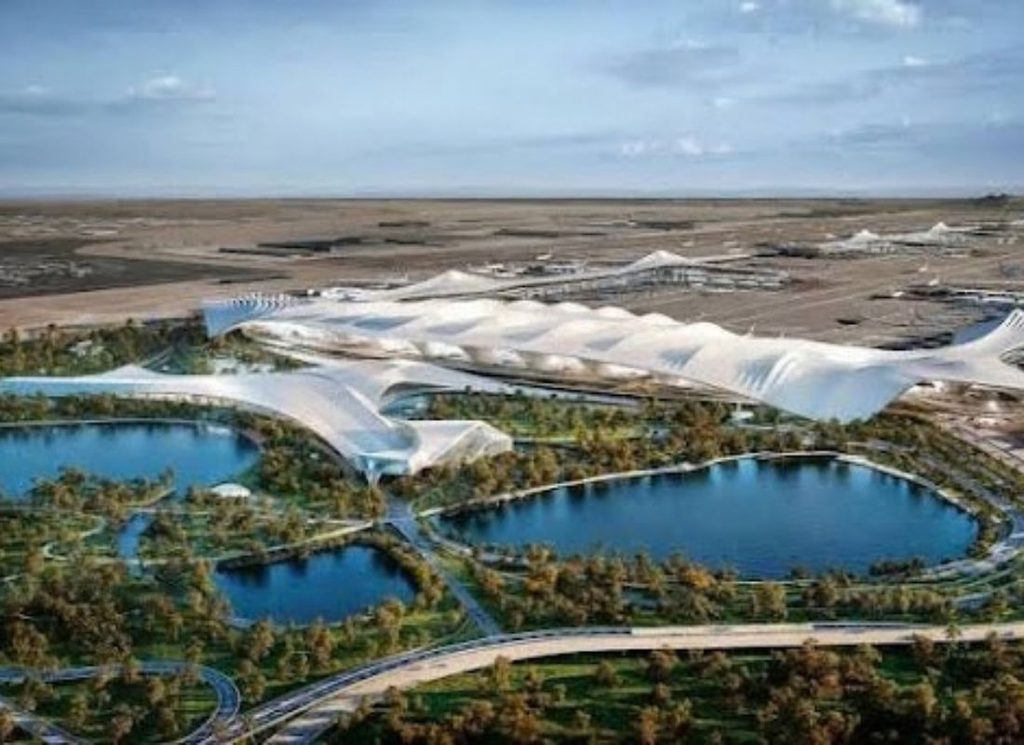
Dubai South is becoming increasingly important to Dubai’s future growth
©Photo edited by Canva.com
Dubai South sits at the centre of one of the emirate’s biggest long-term infrastructure stories. The district surrounds Al Maktoum International Airport, which Dubai Aviation Engineering Projects describes as the centrepiece of a 140-square-kilometre Dubai South aerotropolis focused on aviation, logistics and related economic activity.
The airport project entered a major construction phase in 2026 and remains on course to begin expanded operations in 2032. Its ultimate plan calls for capacity exceeding 260 million passengers annually, alongside major road, Metro and rail connections. That scale of investment is helping strengthen Dubai South’s role as a residential and commercial growth corridor as the city expands closer to its future aviation hub.
Where: Dubai South | Location: Southern Dubai, surrounding Al Maktoum International Airport
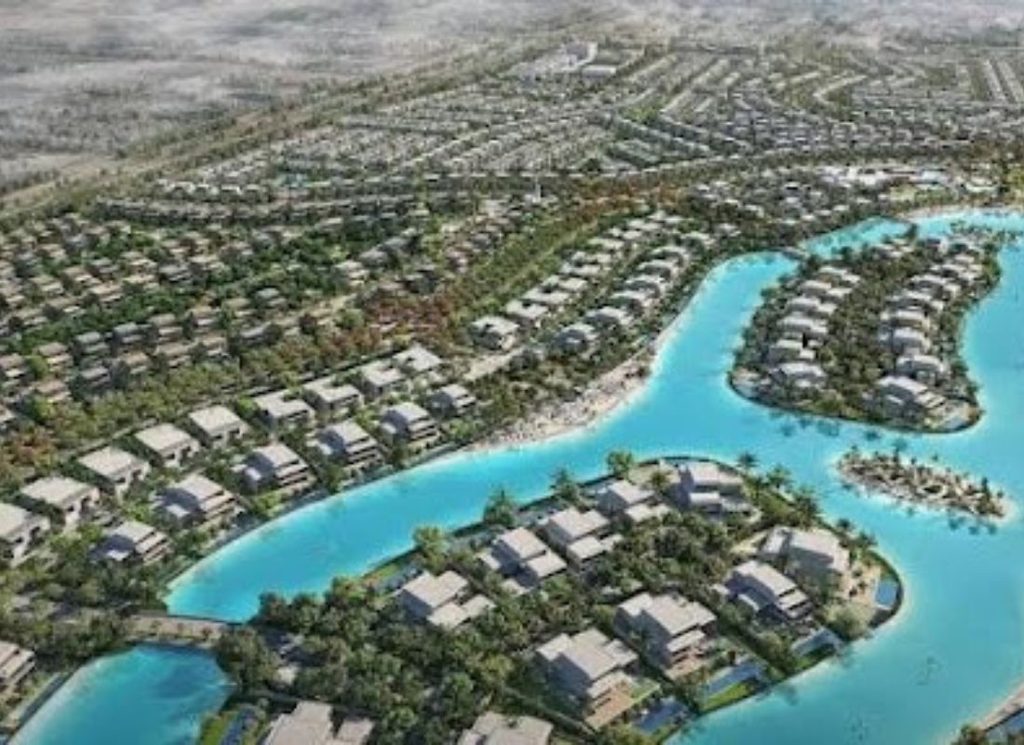
Tilal Al Ghaf continues to develop as a resort-style residential community
©Photo edited by Canva.com
Tilal Al Ghaf takes a different approach to growth, focusing on low-rise residential neighbourhoods built around green spaces, walking routes and resort-style amenities. The Majid Al Futtaim community spans around 3 million square metres and is planned for approximately 3,500 homes and 15,000 residents.
Its centrepiece is Lagoon Al Ghaf, complemented by parks, cycling and walking trails, retail, dining and the Royal Grammar School Guildford Dubai. Newer neighbourhoods and mansion collections are continuing to add to the development, while its growing retail and dining destination, DISTRIKT, is giving residents more amenities within the community itself.
Where: Tilal Al Ghaf | Location: Near Hessa Street, Dubai
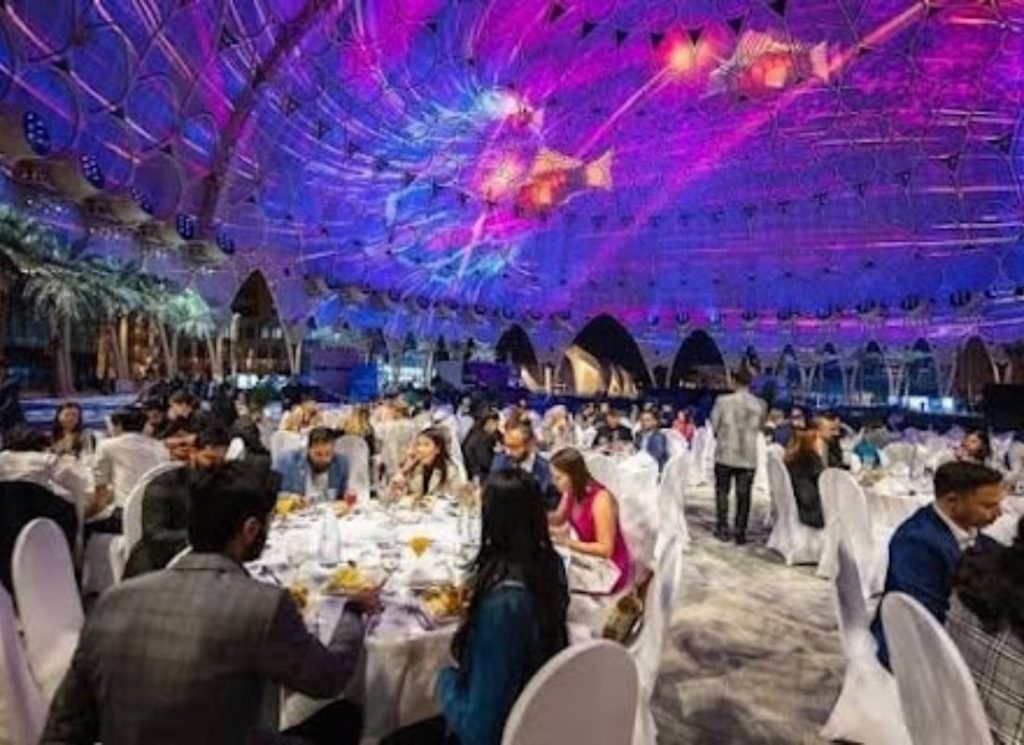
Expo City Dubai is evolving from an event site into a permanent urban district
©Photo edited by Canva.com
Expo City has steadily moved beyond its Expo 2020 legacy and is developing into a permanent residential, business and lifestyle district. Its masterplan now includes several distinct communities, including Expo Downtown, Expo Valley, Expo Hills, Expo Fields and Expo Business, with residential projects ranging from apartments to villas and townhouses.
The transformation is already becoming visible. Mangrove Residences in Expo Downtown began handovers from the second quarter of 2026, while additional projects continue to extend the residential offering. Combined with Expo City’s sustainability focus and proximity to Dubai South and Al Maktoum International Airport, the district is becoming increasingly integrated into Dubai’s southward expansion.
Where: Expo City Dubai | When: Residential expansion ongoing in 2026 | Location: Dubai South corridor, Dubai
Jebel Ali is gaining new residential momentum alongside its established business role
©Photo edited by Canva.com
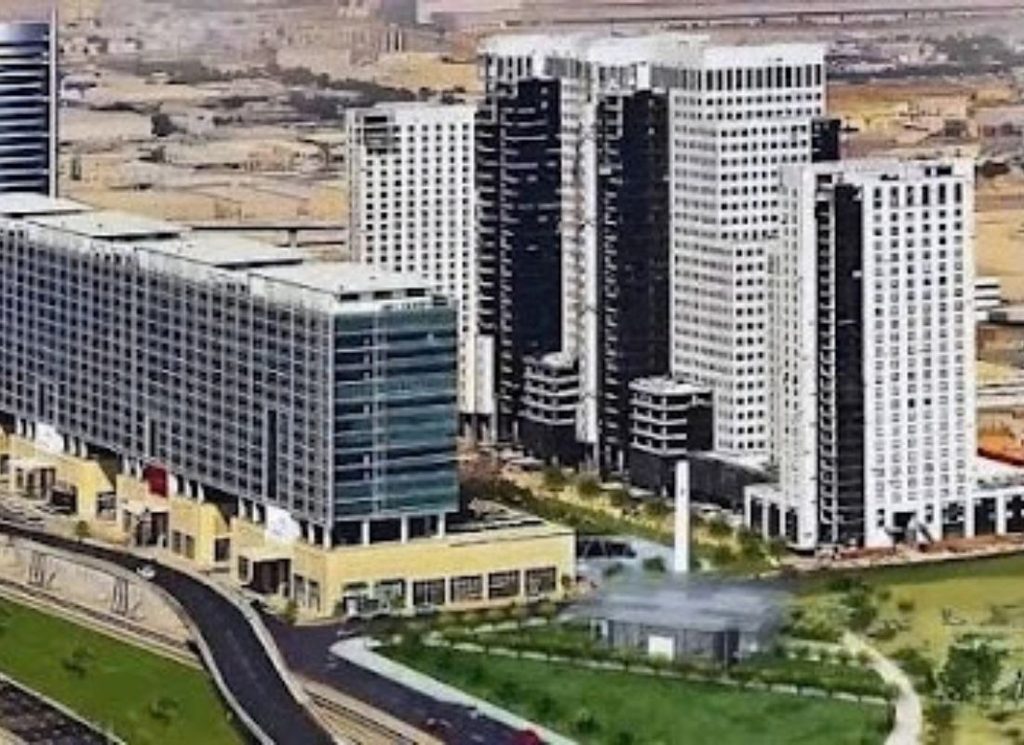
Jebel Ali has long been associated with industry, trade and logistics, but its residential side is also changing. In August 2026, Nakheel began handing over 892 homes at Jebel Ali Village, an 80-hectare low-density community expected to accommodate around 5,500 residents. The development includes landscaped parks, pedestrian-friendly streets and connected outdoor spaces.
The district also sits between several of Dubai’s biggest long-term projects, including Palm Jebel Ali, Expo City, Dubai South and Al Maktoum International Airport. That combination of established infrastructure and new residential development is broadening Jebel Ali’s identity beyond its traditional commercial and industrial base.
Where: Jebel Ali | When: Jebel Ali Village handovers began in August 2026 | Location: Southwestern Dubai, UAE