



Stand in an empty room and try to picture a sofa against the far wall. Odds are you’ll get the size wrong. Research on spatial perception has found that human vision doesn’t measure a room the way a tape measure does. The brain leans on context, light, color, nearby objects, to judge scale, and bare walls simply don’t give it enough to work with. That’s part of why a sectional that looked “medium” in the showroom swallows a living room whole once it arrives, and why someone can describe exactly the look they want and still end up with a room that misses it entirely.
That gap between what’s in someone’s head and what a room can actually hold has turned into one of the more expensive problems in furniture retail. Online furniture returns hit 20.4% in 2024, nearly triple the 8.1% rate from 2019, and a large share of that traces back to exactly this: a piece bought without ever being able to see it, at true scale, inside the actual room. When buyers can preview a piece against a real photo of their own space before ordering, size-related returns drop by roughly 71%, mostly because the guessing gets removed before the purchase instead of after it. AI-generated room renders have become the tool closing that gap, and the whole process starts with nothing more than a photo taken on a phone.
A Photo In, a Finished Room Out
There’s no measuring tape involved, no floor plan to draw, no software to learn. Someone photographs the room exactly as it stands, empty, in whatever light happens to be coming through the window that day.
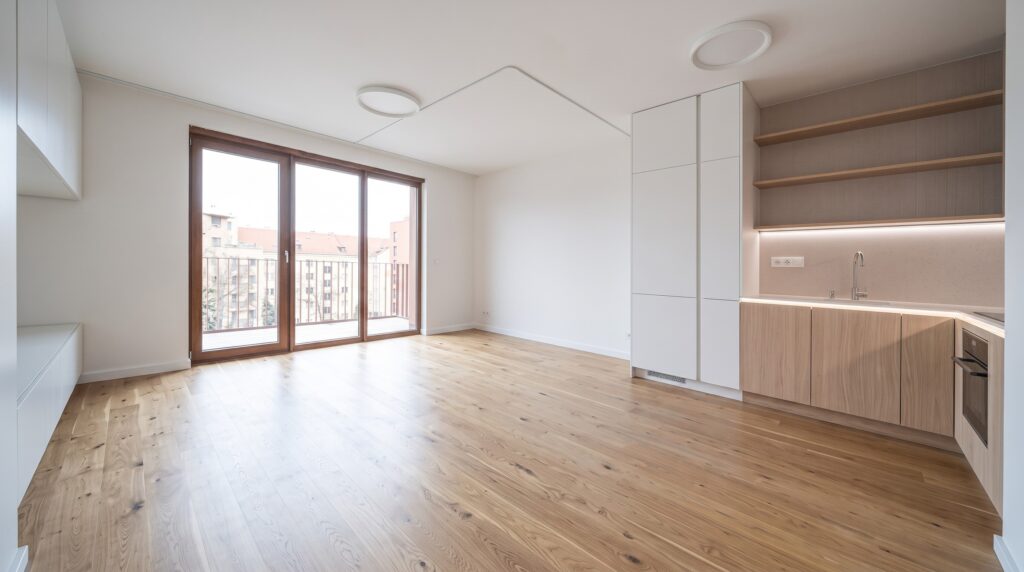
An AI model reads that single photo for everything a person would otherwise have to measure by hand: where the window sits, how the ceiling height relates to the walls, which way the light is falling in the afternoon. It then places furniture into that specific geometry instead of overlaying a stock photo on top of it.
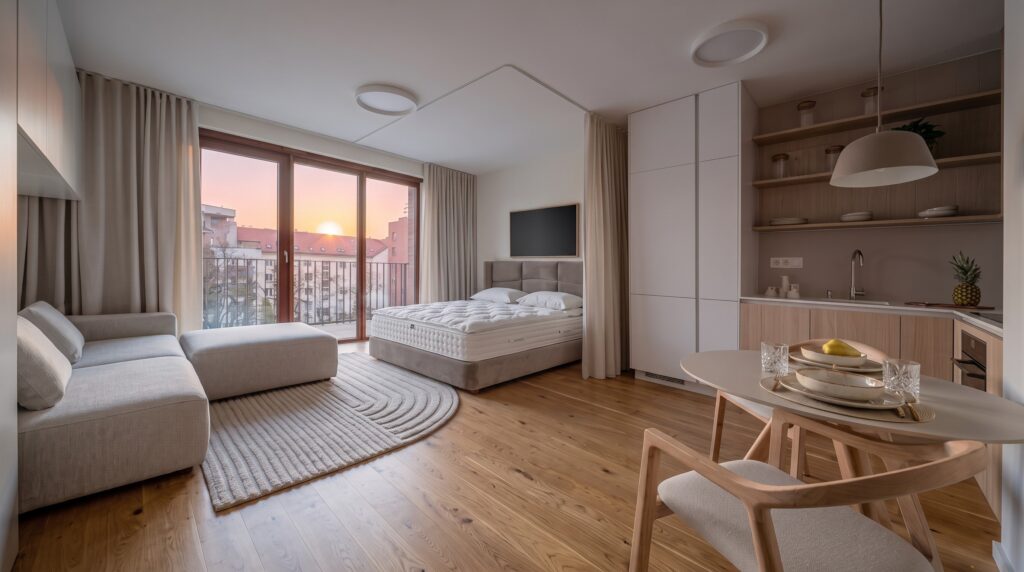
That’s the part that actually matters. A render built on invented proportions is just a picture. A render built on the room’s real dimensions is something a person can plan a purchase around, measure a doorway against, or hand straight to a contractor. It’s also what makes basic layout advice, like leaving a clear walking path around a coffee table, easy to actually apply, since it can be checked against a real photo instead of held in someone’s head.
Testing a Style Before Committing to One
Picking furniture is the easier of the two decisions. Picking a direction is harder, and most people never get past comparing two tabs of a mood board in their own memory.
This is the part of the process where a platform like MeltFlex AI has picked up real traction with designers: taking one photo of a room and generating several distinct style directions from it, so a client can compare them side by side instead of imagining each one separately.
Looking at the same window, the same ceiling height and the same afternoon light rendered two different ways is a far more honest test than any mood board, because nothing about the room changes except the style. It turns a vague sense of “I think I like warmer tones” into something a person can actually point at and compare. Professional adoption backs this up: Houzz’s 2025 survey found that 31% of U.S. interior designers were already using AI tools in their business, up from 16% the year before, and estimated the time saved per firm at close to $75,000 a year, largely because clients stop second-guessing a direction once they can see it instead of being sold on it.
Furniture That Actually Exists
Where this stops being a nice picture and starts being useful is the catalog behind it. The stronger tools pull from real furniture inventories rather than generating an approximation of a sofa, so the piece shown in the render is one a person can actually order, not a shape a computer invented to fill space.
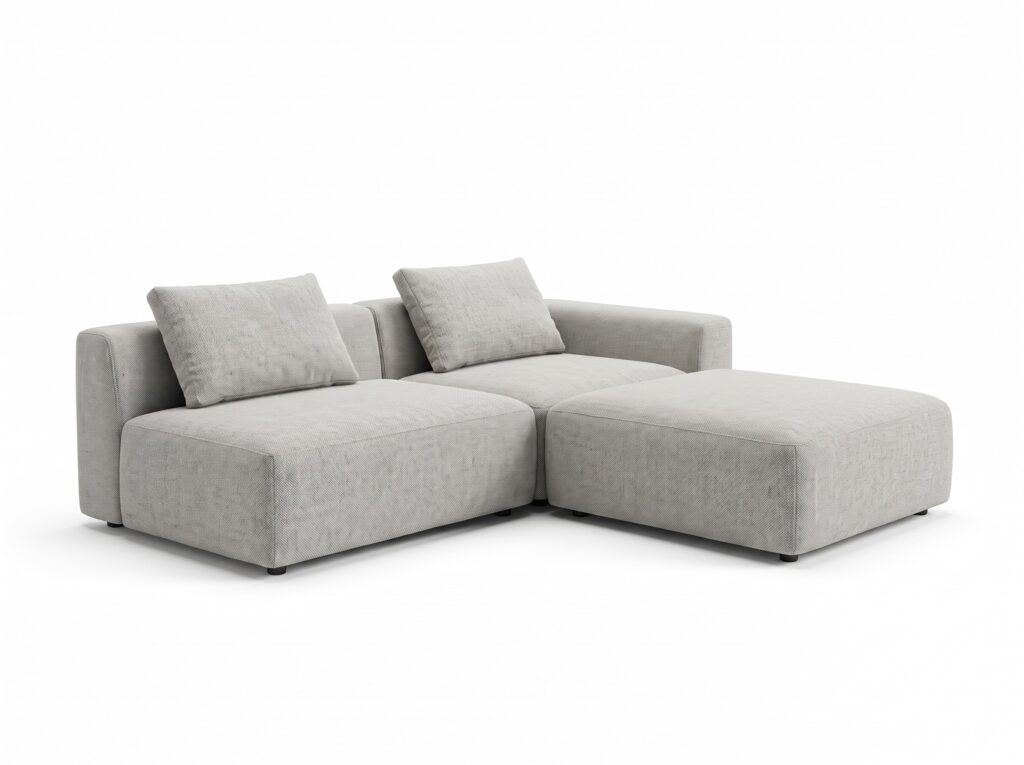
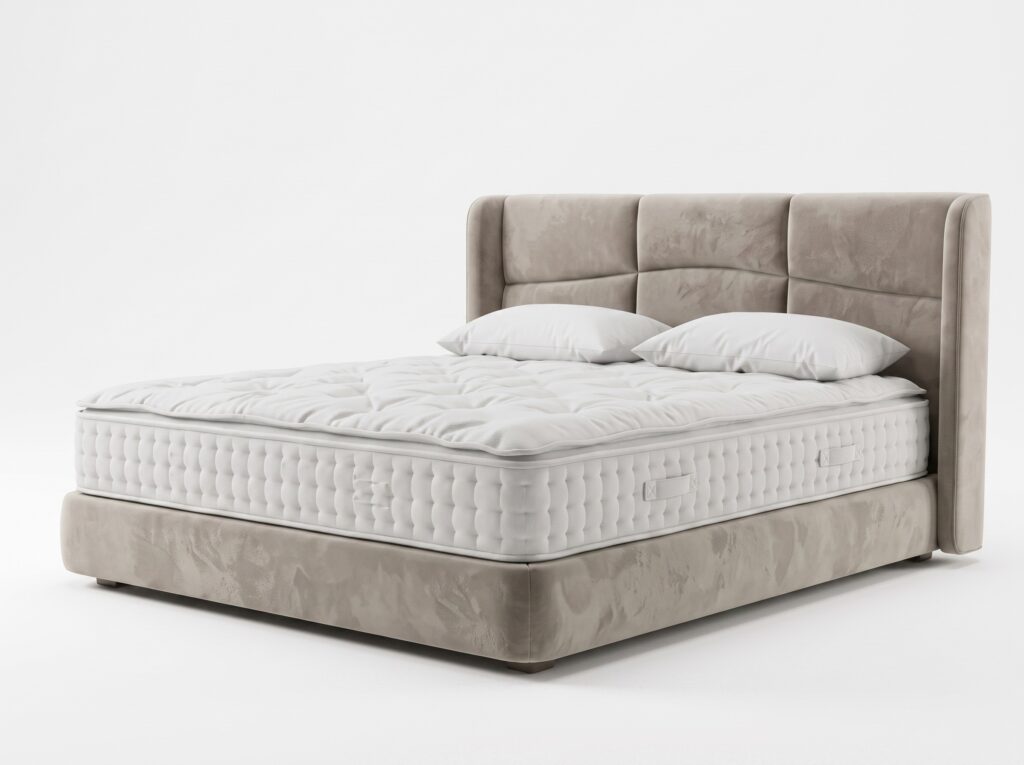
That distinction shows up in the details that give away a fake render instantly: the taper on a chair leg, the depth of a sectional’s arm, whether a bed frame’s proportions actually match the room around it. Get those wrong and the whole image reads as fiction. Get them right, and the render is close enough to a shopping list that the render and the order become the same step. For a designer, that’s less time spent translating a rendering into a purchase order. For a homeowner, it means never falling for a piece of software fiction that doesn’t correspond to anything they can actually buy.
What It’s Doing to Real Estate Listings
Empty listings have a well-documented attention problem, and staging solves it. What’s changed is how cheaply that gets done now. Listings with virtually staged photos see roughly a 90% jump in click-through on their thumbnail compared to photos of the same room left empty, and buyers spend close to 70% longer on the listing page once it’s staged, an average of 45 to 60 seconds against 27 for an empty room. Agents have noticed: more than two-thirds now say virtual staging improves their odds of winning a listing pitch in the first place, before a single piece of real furniture gets rented or moved into the property.
Where the Software Stops
None of this replaces someone who knows what they’re doing. A rendered room shows what something could look like; it doesn’t say whether a fabric will hold up against a dog, whether a kitchen layout actually works for how a family moves through it, or whether a look that reads well in a still image will still feel right a year in. Used early, before sourcing starts, it’s a fast way for a client and a designer to agree on a direction. Treated as the whole decision, it skips over the judgment a room actually needs.
The Point of All This
The brain was never going to get better at judging an empty room on its own; that isn’t a skill anyone was going to practice their way into. What changed is that a photo and a few minutes are now enough to see a room the way it will actually look, instead of the way it’s imagined to look. That doesn’t replace a good eye. It just means the guessing that used to happen after the sofa was already delivered can now happen before anyone spends anything at all.