



People have more choices than ever when they shop for clothing, home products, accessories, and other lifestyle items. Many products offer similar quality and features, which makes it harder for brands to stand out. Because of this, people are paying closer attention to the story behind a brand, what it stands for, and the ideas that have shaped it over time.
They want to know who made the product, where the inspiration came from, and what makes it different from everything else on the market.
In today’s digital marketplace, those questions are easier to answer than ever before. A shopper can discover a product on social media, visit the company’s website, read hundreds of customer reviews, and watch behind-the-scenes videos before making a purchase. That level of access has changed what people expect from brands. Marketing messages alone are no longer enough. Consumers increasingly look for consistency between what a company says and what it actually does, rewarding businesses that can demonstrate authenticity rather than simply claim it.
In this blog, we’ll share why authentic storytelling and design heritage are becoming valuable strengths for modern lifestyle brands.
1. Authentic Stories Help Brands Build Stronger Connections
People usually remember a good story much longer than a list of product features. A product can be well made, but the story behind it often gives people a reason to care. When customers understand why a brand was created, what it believes in, and how it has grown over the years, they often feel a stronger connection to it.
A good example is Patagonia. The company has spent years sharing its commitment to protecting the environment instead of focusing only on selling more products. One of its best-known campaigns even carried the message “Don’t Buy This Jacket.”
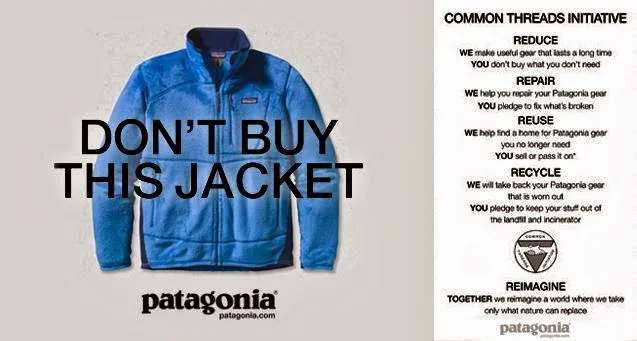
Rather than encouraging people to shop more, Patagonia asked customers to think carefully before buying something new and to repair or reuse clothing whenever possible. That message stood out because it matched the company’s actions and long-term values instead of feeling like a marketing stunt.
When a brand’s actions support the story it tells, people notice. That consistency helps build trust because customers can see that the company is doing more than simply making promises.
The same principle has become increasingly important across digital channels, where consumers are exposed to thousands of brand messages every day. According to Edelman’s annual Trust Barometer, trust has become one of the strongest factors influencing purchasing decisions. Companies that communicate a clear purpose, while consistently delivering on that promise, often outperform competitors that rely solely on promotions or aggressive advertising.
That trend is particularly visible in ecommerce, where customers may never interact with a company in person. Every product page, social media post, customer review, and email contributes to the overall story a brand tells.
Ákos Doleschall, Managing Director at Hustler Marketing, says customers quickly recognize when storytelling grows naturally from a company’s identity instead of being created solely for marketing campaigns.
“The highest-performing brands we work with rarely separate storytelling from the customer experience. Every email, product launch, and retention campaign reinforces the same identity customers encountered during their first visit. That consistency builds familiarity over time, and familiarity builds trust. Consumers have become remarkably good at identifying when a brand is simply following the latest marketing trend versus communicating values that genuinely shape how the business operates. The brands that achieve the strongest long-term retention are usually the ones whose story stays consistent long after the first purchase.”
2. Great Brand Stories Need Great Visual Storytelling
A compelling story is only valuable if people can experience it. As consumers spend more time discovering brands through websites, YouTube, Instagram, TikTok, and connected TV, visual storytelling has become one of the most powerful ways companies communicate who they are before a customer ever makes a purchase.
This is particularly important for lifestyle brands, where people are buying into an identity as much as a product. A short documentary showing artisans handcrafting furniture, a behind-the-scenes look at a designer sketching a new collection, or founder interviews explaining why a company was started can communicate authenticity far more effectively than polished advertising copy alone.
Luxury brands have understood this for years. Companies such as Rolex, Aesop, and Rimowa regularly invest in cinematic brand films that rarely focus on selling products directly. Instead, they highlight craftsmanship, heritage, and the people behind the business. These stories give consumers something advertising alone cannot: confidence that the values presented on a website genuinely exist behind the scenes.
Julian Tillotson, CEO and Founder of Indirap, says consumers have become remarkably good at distinguishing genuine visual storytelling from traditional marketing.
“The most effective brand videos today don’t feel like commercials. They feel like an invitation into the company itself. People want to see the workshop, meet the founder, understand the creative process, and witness the care that goes into making a product. Those moments create credibility because they’re difficult to fake consistently. When visual storytelling reflects the real culture and values of a business, it becomes one of the strongest ways to build trust long before someone decides to become a customer.”
Brands that invest in authentic visual storytelling often find those assets continue delivering value long after they’re published. A well-produced founder interview, studio tour, or craftsmanship documentary can strengthen recruitment, customer trust, media coverage, and social engagement simultaneously. In a crowded marketplace where products can often look similar, showing the people and purpose behind the brand has become one of the clearest ways to stand apart.
3. People Want to Know the Meaning Behind What They Buy
Buying decisions are no longer based only on price or appearance. Many people also want to know where a product comes from, how it was made, and what the company stands for. This is especially true for lifestyle brands, where customers often see products as part of their everyday life.
When brands openly share their history, explain how products are made, or talk about the people behind the business, customers gain a better understanding of what they are supporting. That openness can make a brand feel more trustworthy because people are given real information instead of only promotional messages.
Many shoppers also appreciate brands that stay honest about their values. They understand that no company is perfect, but they still expect businesses to be clear about what they believe in and how they operate. Honest communication often builds stronger relationships than trying to create a perfect image.
Over time, this trust becomes one of a brand’s biggest strengths. Customers who believe in a company’s values are often more likely to return, recommend the brand to others, and continue supporting it for years.
The luxury resale market provides a compelling example of this shift. Rather than focusing exclusively on new collections, more consumers are actively searching for products with proven craftsmanship and history. The appeal often extends beyond sustainability. Buyers appreciate owning pieces that already carry a story, whether through exceptional construction, heritage brands, or enduring design that has remained relevant across decades.
Jane Pang, Founder and CEO of Getmorebeauty, says vintage luxury footwear illustrates how storytelling can become part of a product’s lasting value.
“Many of our customers aren’t simply searching for designer shoes. They’re looking for pieces that have already demonstrated exceptional craftsmanship over time. Vintage luxury footwear represents an era when many products were built with longevity in mind, and that history becomes part of the ownership experience. Every pair has its own story, from the craftsmanship behind its construction to the decades it has already endured. That combination of heritage, quality, and timeless design often creates a much stronger emotional connection than buying something that’s simply new.”
People have more choices than ever when they shop for clothing, home products, accessories, and other lifestyle items. Many products offer similar quality and features, which makes it harder for brands to stand out. Because of this, people are paying closer attention to the story behind a brand, what it stands for, and the ideas that have shaped it over time.
They want to know who made the product, where the inspiration came from, and what makes it different from everything else on the market.
In this blog, we’ll share why authentic storytelling and design heritage are becoming valuable strengths for modern lifestyle brands.
4. Heritage Can Support New Ideas Instead of Limiting Them
Some people think a long history makes it harder for a brand to change, but many successful companies show the opposite. A strong foundation can make it easier to grow because customers already know what the brand stands for.
A good example is LEGO. In the early 2000s, the company expanded into too many different products and struggled financially. Instead of leaving its roots behind, LEGO returned its focus to the building brick that made the brand successful.
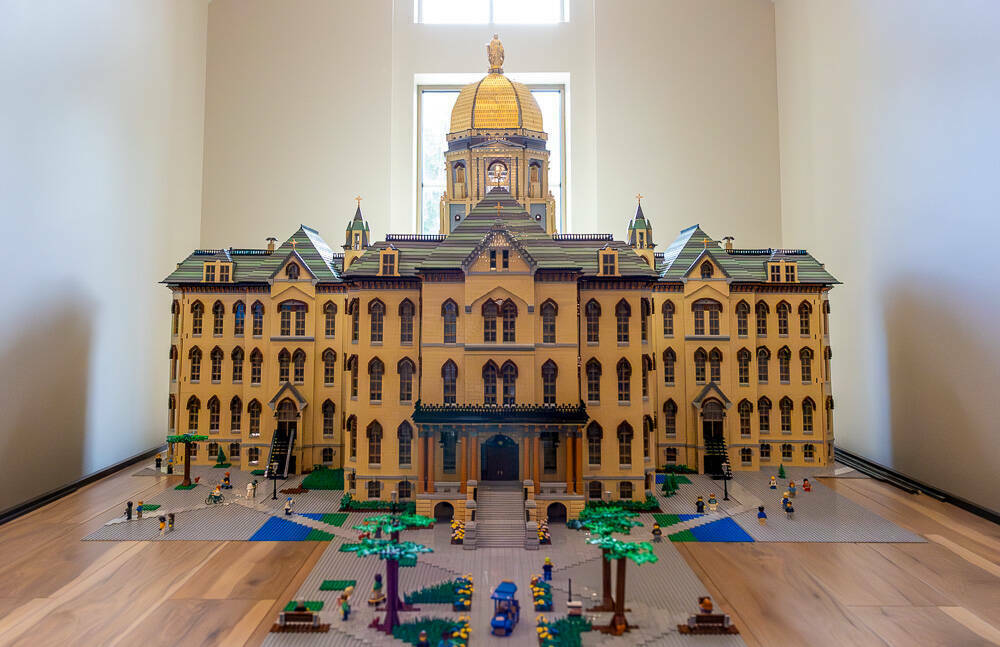
From there, it found new ways to grow by introducing licensed collections based on popular movies, creating video games, producing successful films, and expanding into digital experiences. Even with all of these changes, the classic LEGO brick has remained at the center of everything the company creates.
This shows that innovation does not always mean starting from scratch. A strong identity can give brands the confidence to explore new ideas while keeping the qualities that customers already recognize and trust.
The same philosophy is increasingly influencing brands outside the toy industry. Rather than chasing every emerging trend, companies are identifying the elements that customers genuinely value and building innovation around those strengths. That approach reduces the risk of confusing loyal customers while giving brands room to evolve alongside changing consumer expectations.
For businesses built around craftsmanship, thoughtful innovation often strengthens heritage instead of replacing it.
Alfred Christ, Digital Marketing Manager at ROKR, believes consumers increasingly appreciate products that combine timeless craftsmanship with modern creativity.
“One reason people connect so strongly with mechanical wooden models is that they represent both innovation and heritage at the same time. The engineering feels modern, but the craftsmanship reflects traditional techniques that have been appreciated for generations. We see a similar pattern across lifestyle brands. Innovation creates excitement, but craftsmanship creates lasting value. The strongest brands don’t abandon their identity to stay relevant. They build upon it in ways that feel authentic to the people who already trust them.”
Heritage can also become more engaging when brands invite customers into the creative process. Behind-the-scenes videos, interviews with designers, limited-edition collections inspired by company history, and educational content about craftsmanship all help consumers appreciate the thinking behind a product rather than seeing only the finished result.
That additional context transforms a purchase into an experience, something many consumers increasingly value in a marketplace crowded with similar-looking alternatives.
5. A Brand’s Story Has to Be Visible, Not Just Told
One of the biggest shifts in modern branding is that consumers no longer encounter a company’s story in a single place.
They discover brands through Instagram, TikTok, Google searches, YouTube, online reviews, podcasts, email newsletters, and websites. Each interaction either reinforces the same identity or creates confusion.
When those touchpoints feel disconnected, trust begins to erode. When they feel cohesive, customers gain confidence that they’re dealing with a brand that knows exactly who it is.
Nibin Varghese, Creative Director at Bless Web Designs, says a company’s digital presence often becomes the first proof that its story is genuine.
“A brand’s website shouldn’t simply display products. It should communicate personality, values, and purpose within seconds. Visitors make assumptions incredibly quickly, and those assumptions influence whether they continue exploring or leave. We’ve found that the strongest lifestyle brands maintain remarkable consistency across their photography, messaging, design language, and customer experience. When everything feels aligned, people naturally trust the brand because the story feels authentic instead of manufactured.”
This consistency has become increasingly important as consumers spend more time researching before purchasing. A polished advertising campaign may attract attention, but it is often the website, customer reviews, founder story, and educational content that ultimately convince someone to become a customer.
6. Authentic Brands Often Build Stronger Customer Loyalty
Winning a customer’s attention is one thing, but earning their loyalty is much harder. People may try a product because of an advertisement or a recommendation, yet they usually come back because they trust the brand and feel connected to it.
Authentic storytelling and a clear identity help create that trust over time. When customers know what a brand stands for and see those values reflected in its products, service, and communication, they know what to expect. That consistency makes people feel more confident about buying from the brand again.
Loyal customers also become some of a company’s biggest supporters. They recommend products to friends and family, share their experiences online, and continue choosing the same brand even when new competitors enter the market. Those recommendations often carry more weight than traditional advertising because they come from real experiences.
Research consistently shows that retaining existing customers costs significantly less than acquiring new ones, making loyalty one of the most valuable assets any lifestyle brand can build. While advertising may introduce someone to a company, authentic experiences determine whether that relationship continues over months and years. Brands that communicate a clear purpose often find that customers become advocates, voluntarily sharing products and stories within their own communities.
Chad DeBolt, Founder of Surchability, says authenticity has become one of the strongest long-term advantages in an increasingly competitive online marketplace.
“Search behavior tells an interesting story about consumer trust. People rarely stop researching after discovering a brand. They search for reviews, founder interviews, customer experiences, and independent mentions because they want reassurance that a company’s reputation matches its marketing. Businesses that consistently communicate authentic expertise and a clear identity tend to earn stronger visibility over time because they’re creating the kinds of signals both customers and search engines value. Trust compounds, and brands that invest in it often see benefits that extend far beyond a single campaign.”
The companies that achieve lasting success understand that loyalty isn’t built through one memorable advertisement or one viral social media post. It develops through hundreds of small interactions that consistently reinforce the same promise.
Final Thoughts
Modern lifestyle brands compete in a market where people have more choices than ever before. A good product is still important, but many customers also want to know the story behind it and the values that guide the company.
Authentic storytelling and a strong design heritage help brands build trust, create lasting connections, and stand out in a natural way. These qualities cannot be copied overnight because they are built over time through consistent actions and genuine purpose. Brands that stay true to who they are while continuing to grow are often the ones people remember and continue to support for years.
As consumer expectations continue to evolve, the brands most likely to thrive won’t necessarily be those with the biggest advertising budgets or the fastest product cycles. Instead, they’ll be the companies that understand how to combine meaningful stories, thoughtful design, and consistent customer experiences into something far more valuable than a single purchase. In a marketplace where nearly everything can be replicated, authenticity and heritage remain two of the few competitive advantages that become stronger with time rather than weaker.