




If you’re planning to buy a home in 2026, you’re stepping into a market that looks nothing like the one your friends bought into three years ago. The rules have been rewritten, and most buyers haven’t noticed yet.
The buyers who understand what’s actually happening this year will negotiate better deals, avoid expensive mistakes, and move while others hesitate. Here are the five trends you need to understand before you make an offer.
1. The Power Is Moving Into Your Hands
For years, sellers held all the cards. You’d show up to an open house with fifty other people, waive your inspection, and still lose the bidding war. That era is starting to fade.
As the market has become more balanced, buyers have gained something they haven’t had in years — room to negotiate. Even a study shows that 44.4% of U.S. home sales included seller concessions, meaning many sellers helped buyers with closing costs, repairs, mortgage-rate buydowns, or other expenses.
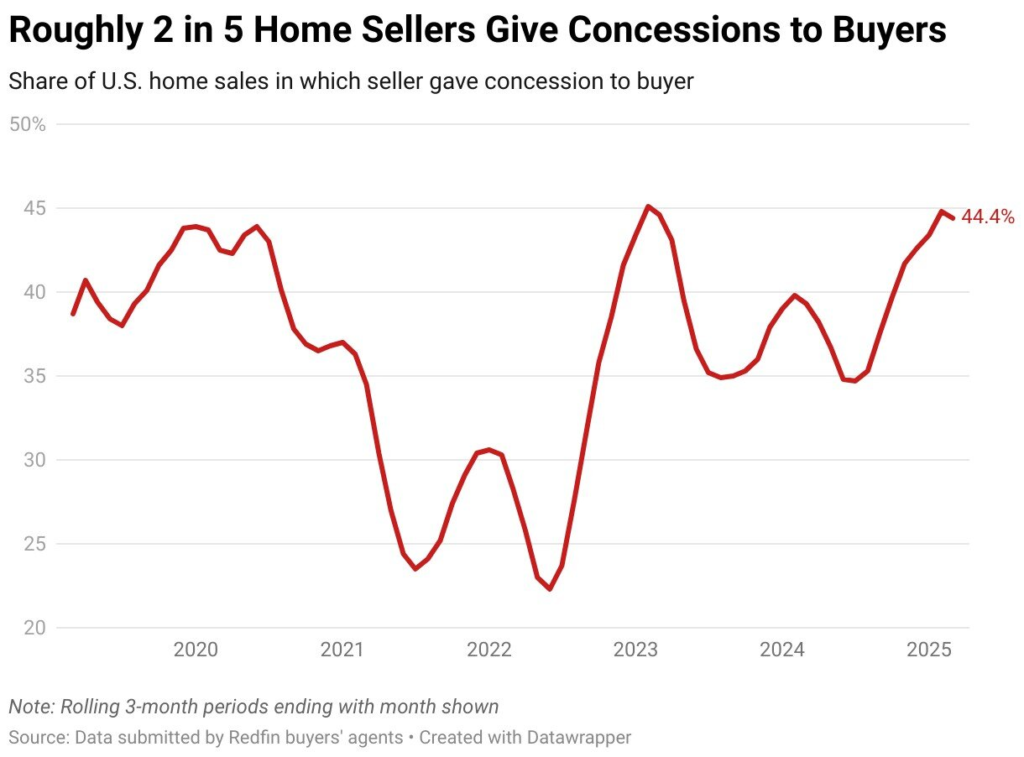
That figure is close to the highest level recorded since Redfin began tracking the data.
This shift gives buyers more opportunities to ask for better terms instead of accepting every condition without question. A home inspection once again becomes a valuable tool, repair requests carry more weight, and sellers are often more willing to contribute toward closing costs if it helps complete the sale.
Charlie Ed, CEO of 613 Home Buyers, works with homeowners navigating property sales, including situations where sellers need flexible solutions outside the traditional listing process. His experience with motivated sellers provides insight into why today’s market is creating more opportunities for buyers to negotiate.
“When sellers have fewer competing offers, the conversation changes,” Ed says. “They become more open to finding solutions that help move the transaction forward, whether that means adjusting terms, addressing repair concerns, or offering flexibility around closing. Buyers who understand this shift have more room to negotiate than they did during the highly competitive markets of previous years.”
That doesn’t mean every seller will agree to every request. Homes that are priced well and located in highly desirable areas can still attract strong competition. But many sellers today understand that buyers have more choices than they did just a few years ago, making flexibility part of the negotiation process.
2. Serious Buyers Have Stopped Waiting for Rates to Drop
For three years, millions of buyers sat on the sidelines with the same plan: wait for mortgage rates to fall, then jump in. That waiting game is starting to end, and many people who played it learned an expensive lesson.
Mortgage rates have come down from their highest levels, but they are still much higher than they were a few years ago. Right now, the average 30-year fixed mortgage rate is around 6.5%, and most experts expect rates to stay above 6% for the rest of the year rather than returning to the 3% or 4% range many buyers have been hoping for.
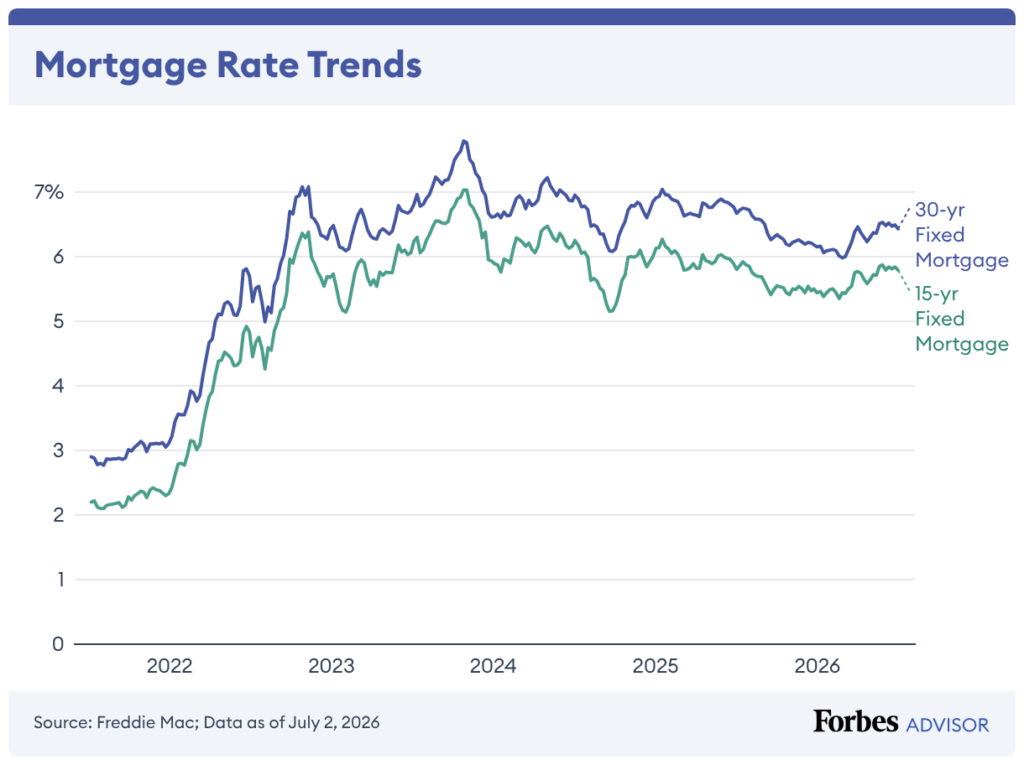
While buyers waited for lower rates, home prices continued to move higher in many markets, and the homes they wanted became even more expensive. Many people have now accepted a simple idea: you marry the house and date the rate. Buy the right home at a fair price today, then refinance later if mortgage rates come down.
Thousands of buyers who had been waiting are now back in the market. They have stopped trying to time the perfect moment and decided that finding the right home matters more than waiting for the perfect interest rate.
That also means more competition for well-priced homes. And the competition you’ll face looks very different from what you might expect.
3. Your Competition Is Older and Richer Than Ever
You might be surprised to know this: buying your first home has become much harder than it used to be. The latest data shows that the median down payment for first-time buyers reached 10% in 2025, the highest level since the organization began tracking this data in 1989.
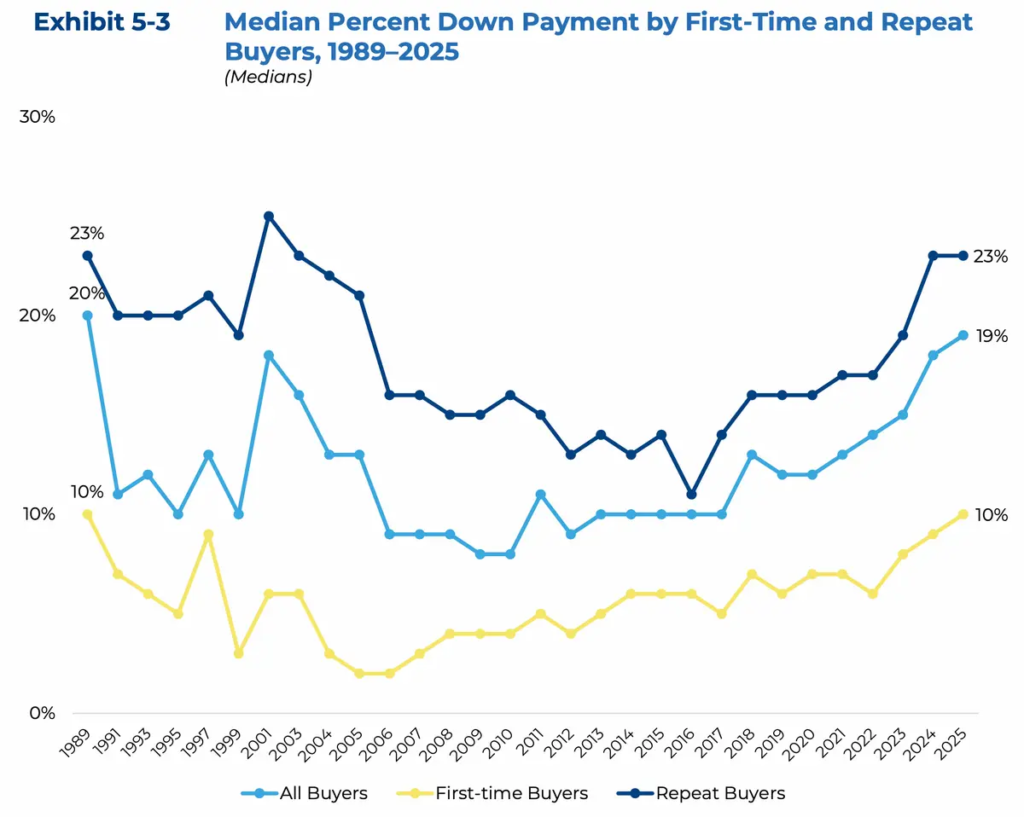
Repeat buyers put down a median of 23%, while the median across all buyers climbed to 19%.
So who’s buying everything? Baby boomers now make up 42% of all homebuyers. And many of them arrive with decades of home equity behind them, which means cash offers and fast closings.
If you’re a first-time buyer, you’re not imagining the difficulty. The median age of first-time buyers has climbed to a record 40 years old, up from the late 20s in the 1980s. You’re competing against people who can skip the mortgage process entirely.
Your move is preparation. Get fully pre-approved before you shop, not after you find the house. Have your down payment documented and ready. When you’re up against an equity-rich buyer, speed and certainty are your only weapons, a clean, fast, well-prepared offer can beat a slightly higher one that looks shaky.
#4. Climate Risk Is Now Part of Every Smart Purchase
The most expensive surprise in homeownership used to be a bad roof. In 2026, it could be the insurance bill that arrives after you buy the home. More buyers are checking those costs before they sign because they know they can change the monthly budget by hundreds of dollars.
Homeowners insurance premiums have increased nearly 64% since 2021, and experts say they could keep rising in the coming years. Weather-related claims, higher rebuilding costs, and rising property values are all pushing premiums up, especially in areas exposed to floods, hurricanes, or wildfires.
Before you fall in love with a home, get an actual insurance quote. Don’t assume two similar houses will cost the same to insure. A home that looks affordable based on the mortgage alone can become much more expensive once insurance is added. Spending a few minutes checking that cost before making an offer can save you thousands of dollars over the years.
#5. Prices Are Finally Flattening Out
After years of watching home values sprint away from your savings, the chase is slowing down. J.P. Morgan Global Research sees U.S. house prices stalling at 0% in 2026, and experts expect nominal prices to grow just 1% to 2%, effectively flattening out after the rapid gains of the pandemic era.
Supply is slowly improving as well. Housing inventory has grown 7.1% compared to the same time last year, giving you more homes to choose from and less pressure to settle.
Don’t mistake flat for falling, though. Experts widely agree a crash isn’t coming, supply remains too tight for that. What flat prices really give you is something buyers haven’t had in years: time. Time to compare homes properly, inspect thoroughly, and negotiate without panic.
Natalia Bassova, Founder and CEO of Resort Real Estate Inc., works with buyers and sellers in resort and lifestyle real estate markets where pricing, inventory, and long-term value play an important role in purchase decisions. Her experience working with buyers looking for properties beyond traditional primary residences highlights how changing market conditions are influencing expectations.
“Buyers are becoming much more thoughtful about value,” Bassova says. “When prices are no longer rising at an extreme pace, people have more opportunity to evaluate whether a property truly fits their goals instead of making decisions based on fear of missing out. The strongest buyers in this environment are the ones who understand the market, focus on long-term value, and avoid overpaying simply because they feel pressured.”
Combine that with record seller concessions and growing inventory, and 2026 rewards the buyer who moves deliberately instead of desperately.
What This All Means for You
Put these five trends together and a clear picture forms. You have more leverage than buyers have held in years, more homes to choose from, and prices that finally stand still long enough for you to think.
The buyers who win in 2026 will be the ones who show up prepared, pre-approved, insurance-checked, and ready to negotiate hard. The market has handed you the advantage. What you do with it is up to you.