


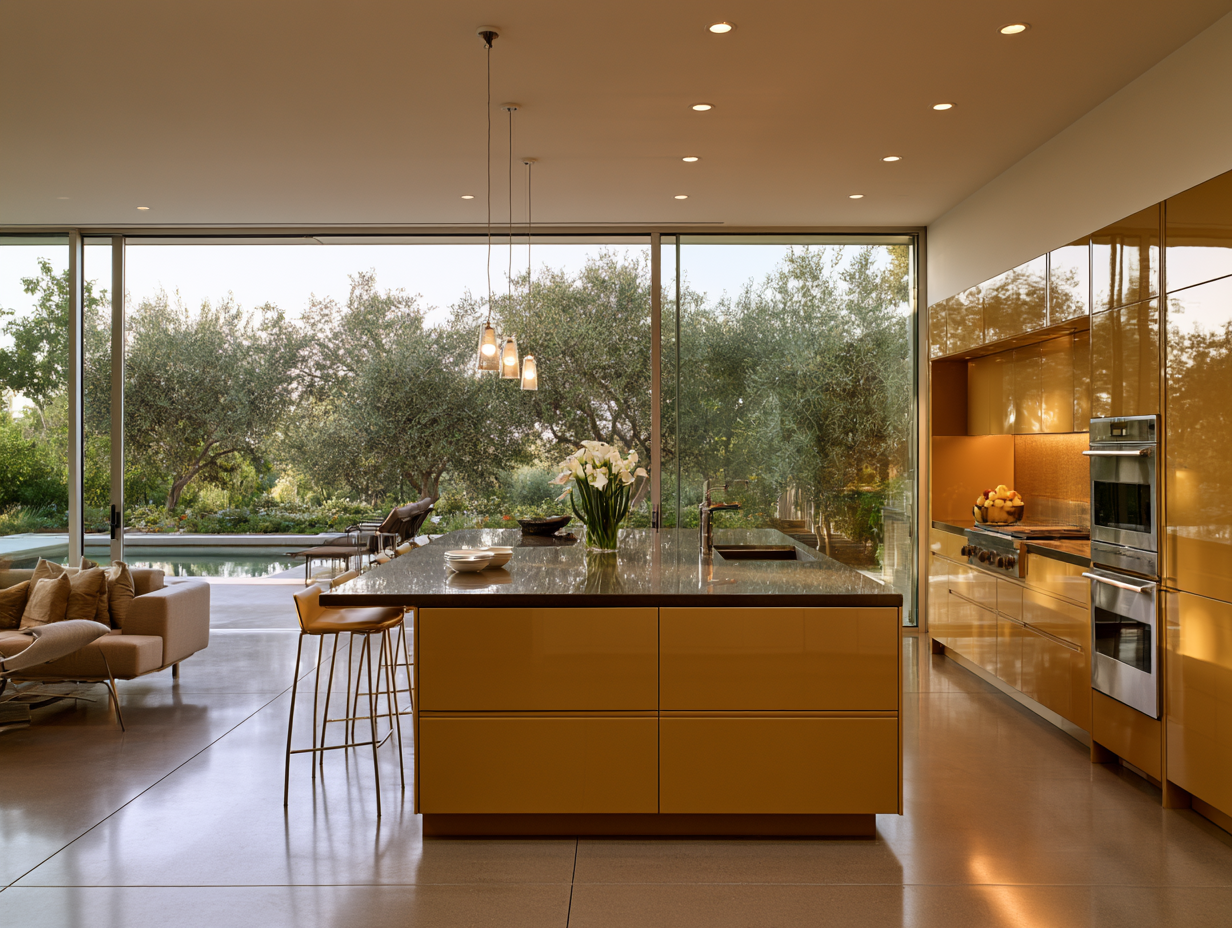
A kitchen does not have to be white, gray, or beige to feel stylish. Sometimes, a little color is exactly what the room needs. And few colors can change the mood of a kitchen as quickly as yellow.
Yellow kitchen cabinets can make a space feel warmer, brighter, and more welcoming. The best part is that yellow is not just one color. You can choose a soft butter yellow that almost feels neutral, a sunny golden shade, or a deep mustard that adds serious personality.
The challenge is choosing the right shade and pairing it with the right materials.
Too much bright yellow can make a kitchen feel busy. The wrong countertop or wall color can also fight with the cabinets. But when the details work together, yellow cabinets can look surprisingly timeless.
Here is how to use yellow in a kitchen without making the space feel overwhelming.
Why Are Yellow Kitchen Cabinets Becoming Popular?
For years, neutral kitchens dominated home design. White cabinets became especially common because they made kitchens feel clean and open.
But homeowners are starting to want more personality.
Yellow brings something that many neutral colors cannot: warmth.
It can make a kitchen feel cheerful even on a cloudy morning. Since yellow is naturally connected with sunlight, it can also help a dark kitchen feel more lively.
Another advantage is flexibility.
Yellow works with many popular kitchen materials, including:
- Natural wood
- White quartz
- Marble
- Butcher block
- Brass
- Black metal
- Stainless steel
- Terracotta
- Cream tile
The key is finding a shade that fits the mood you want to create.
Soft Butter Yellow for a Calm and Cozy Kitchen
Butter yellow is one of the easiest ways to introduce yellow into a kitchen.
It is soft, creamy, and warm without being loud.
Think of a pale yellow mixed with a little cream. From a distance, it can almost behave like a warm neutral.
This makes butter yellow a great choice if you like colorful kitchens but are nervous about committing to a strong color.
It works especially well in cottage, farmhouse, traditional, and vintage-inspired kitchens.
Pair butter yellow cabinets with warm white walls and light wood floors for a soft appearance. A white or cream countertop can keep everything fresh.
Brass hardware is another natural match.
The warm metal brings out the golden tones in the cabinets without creating too much contrast.
If your kitchen gets plenty of natural light, butter yellow can look especially beautiful during the day.
Pale Yellow Can Make a Small Kitchen Feel Brighter
Small kitchens often benefit from lighter colors.
Dark cabinets can look stunning, but they may make a tight room feel more enclosed. Pale yellow gives you color while still reflecting plenty of light.
Try pale yellow lower and upper cabinets with a simple white backsplash.
Keeping the countertop light can also help the room feel open.
If using yellow on every cabinet seems like too much, use it only on the lower cabinets. Keep the upper cabinets white or cream.
This gives you the warmth of yellow without covering the entire room in color.
It is also a smart option for kitchens with limited natural light.
Warm Golden Yellow Adds Energy
Move a little deeper on the color scale and you reach golden yellow.
This shade has more energy than butter yellow but still feels warm and comfortable.
Golden yellow can work beautifully in kitchens that need a strong focal point.
For example, you could paint the kitchen island golden yellow while keeping the surrounding cabinets warm white. The island becomes the center of attention without making the whole room feel too colorful.
Golden yellow also pairs nicely with medium and dark woods.
Walnut shelves, wood stools, or a wood dining table can balance the brighter cabinet color.
For hardware, consider brushed brass or simple black pulls.
Brass creates a softer look, while black gives the kitchen stronger definition.
Mustard Yellow Makes a Stronger Statement
Mustard is where yellow starts to become bold and dramatic.
Unlike bright lemon yellow, mustard usually contains brown or earthy undertones. This gives it a deeper and more mature appearance.
That makes mustard yellow kitchen cabinets surprisingly easy to use in modern spaces.
Mustard looks particularly good with darker colors.
Try pairing it with:
- Charcoal gray
- Matte black
- Deep green
- Navy blue
- Walnut
- Dark brown
- Warm white
A mustard island with black pendant lights, for example, can create a modern kitchen that still feels warm.
You can also pair mustard cabinets with white walls and countertops. The lighter surfaces give the bold cabinet color room to stand out.
Yellow and Natural Wood Are a Great Match
One of the safest ways to balance yellow is with wood.
Both have naturally warm qualities, so they tend to work well together.
Light oak creates a fresh and relaxed look. Walnut adds richer contrast. Medium-toned wood can give the room a slightly retro personality.
There are many ways to combine the two materials.
You could have yellow lower cabinets with open wood shelves above them. Another option is yellow perimeter cabinets with a natural wood island.
Wood floors can also soften a kitchen filled with painted cabinets.
Just pay attention to undertones.
A very cool gray wood finish may feel disconnected from a warm yellow. Natural and warm wood tones are usually easier to pair successfully.
What Countertops Look Best With Yellow Cabinets?
The countertop can either calm down yellow cabinets or make them feel even stronger.
For most kitchens, simple countertops are the safest choice.
White quartz is an easy option. It provides clean contrast and works with nearly every shade of yellow.
Cream countertops can create a warmer look, especially with butter yellow cabinets.
Marble or marble-look quartz can also work. Choose subtle veining rather than extremely busy patterns if the cabinet color is already strong.
For a warmer and more casual kitchen, butcher block is worth considering.
Dark countertops create a completely different effect.
Black or charcoal counters paired with mustard cabinets can look bold and sophisticated. This combination works particularly well in modern kitchens.
Choose a Backsplash That Supports the Color
When your cabinets are colorful, your backsplash does not always need to compete for attention.
Simple white subway tile remains a practical choice.
For a softer look, consider cream, ivory, or handmade-look tiles. Their slight color variations can give the kitchen more texture.
Want something more playful?
Small geometric tiles can bring a subtle mid-century feeling to yellow cabinets.
You could also use green or blue tile, but be careful when combining several strong colors. Usually, one color should be the star while the others play supporting roles.
If the cabinets are bold mustard, a quiet backsplash may create better balance.
Hardware Can Change the Entire Look
Cabinet hardware is small, but you will see it dozens of times across the room.
Brass is one of the most natural partners for yellow.
It creates a warm, slightly luxurious appearance without introducing another major color.
Black hardware produces stronger contrast and can make pale yellow cabinets feel more modern.
Chrome, nickel, and stainless steel create a cooler appearance. They can be useful if you are trying to prevent the kitchen from feeling too warm.
Keep the shape simple.
Slim pulls, small knobs, and clean handles allow the cabinet color to remain the main feature.
Try a Two-Tone Kitchen
You do not need to make every cabinet yellow.
A two-tone layout can actually make the color more interesting.
One popular approach is yellow lower cabinets with white upper cabinets. Since the darker or stronger color stays closer to the floor, the kitchen still feels open.
You can also reverse the idea, although yellow upper cabinets will have a stronger visual impact.
Another option is using yellow only on the island.
This is perfect for homeowners who want to experiment with color without making a full commitment.
Try combinations such as yellow with:
- Warm white
- Cream
- Natural oak
- Walnut
- Sage green
- Charcoal
- Navy
Keep the overall palette controlled so the room does not become visually crowded.
Lighting Changes How Yellow Looks
Never choose a yellow paint color based only on a tiny sample in a store.
Lighting can completely change it.
A pale yellow may look creamy during the day and much warmer under artificial lighting at night. Mustard can appear golden in bright sunlight but darker in a kitchen with limited windows.
Before painting or ordering cabinets, test a large color sample.
Look at it in the morning, afternoon, and evening.
Also check it under your actual kitchen lights.
Warm bulbs can increase the golden appearance of yellow. Cooler lighting may reduce some of that warmth.
This simple test can prevent an expensive color mistake.
How to Keep Yellow Cabinets From Looking Too Retro
Yellow has a long history in kitchen design, so certain shades can quickly create a vintage feeling.
That is not necessarily bad.
But if you want a modern kitchen, balance the color with cleaner materials.
Use simple flat-panel cabinet doors instead of highly decorative ones. Choose modern lighting and streamlined hardware.
Quartz countertops, large backsplash tiles, and simple appliances can also pull the design toward a more current style.
Avoid combining too many obvious retro elements at once.
Yellow cabinets, patterned floors, vintage appliances, colorful tile, and retro lighting all in the same room may feel more like a themed kitchen.
Choose one or two vintage-inspired details and let the rest stay simple.
Common Mistakes to Avoid
One of the biggest mistakes is choosing yellow before looking at the rest of the room.
Flooring, countertops, wall colors, and natural light all affect how the cabinets will appear.
Another mistake is using too many competing colors.
Yellow already has personality. It does not need five other strong colors fighting for attention.
Also avoid choosing a shade simply because it looks good online. Photos can change how colors appear, and every kitchen has different lighting.
Finally, think about how you want the kitchen to feel.
Soft yellow creates a completely different mood than mustard. Choose based on the atmosphere you want rather than following a trend.
Which Shade of Yellow Is Right for Your Kitchen?
Start with the mood.
If you want a peaceful, cozy kitchen, consider butter yellow or pale cream-yellow.
If you want something cheerful and noticeable, golden yellow may be a better fit.
For a richer, more dramatic space, mustard is hard to beat.
Your kitchen size matters too.
Lighter yellows are often easier to use in small or dark kitchens. Deeper shades can work beautifully in larger rooms or spaces with plenty of natural light.
You can also introduce yellow gradually.
Paint the island first, use yellow on lower cabinets only, or combine yellow cabinets with natural wood.
There is no rule saying the entire kitchen needs to match.
Final Thoughts
Yellow Modern kitchen cabinets can be soft and relaxing, bright and cheerful, or rich and dramatic. It all depends on the shade and the materials around it.
Butter yellow offers a gentle way to bring warmth into the room. Pale yellow can help a small kitchen feel brighter. Golden shades add energy, while mustard creates a bold look with plenty of character.
The secret is balance.
Let yellow be the feature, then support it with simple countertops, natural wood, thoughtful hardware, and a backsplash that does not compete for attention.
Most importantly, test your chosen shade in the actual room before making a final decision. Yellow reacts strongly to natural and artificial light.
Get that color right, and your kitchen can feel warm, welcoming, and full of personality without looking overdone.