



Credit: Photo by Canva.com
Credit: Photo by Canva.com
Artificial intelligence is making fake videos, images and voices increasingly convincing, creating a growing challenge for digital security in the UAE. A new study by Dubai Police’s Future Foresight Centre warns that the issue is moving beyond simply spotting fake content; people and organisations may also face greater difficulty proving that genuine digital material is authentic.
Published on October 10, 2026, the study examines how rapidly developing deepfake technology could affect public safety, the credibility of information, digital evidence and security-related decision-making.
The warning comes during Cybersecurity Awareness Month and as the UAE continues to promote greater public awareness of online threats and safer digital practices.
Why deepfakes are becoming a bigger security concern
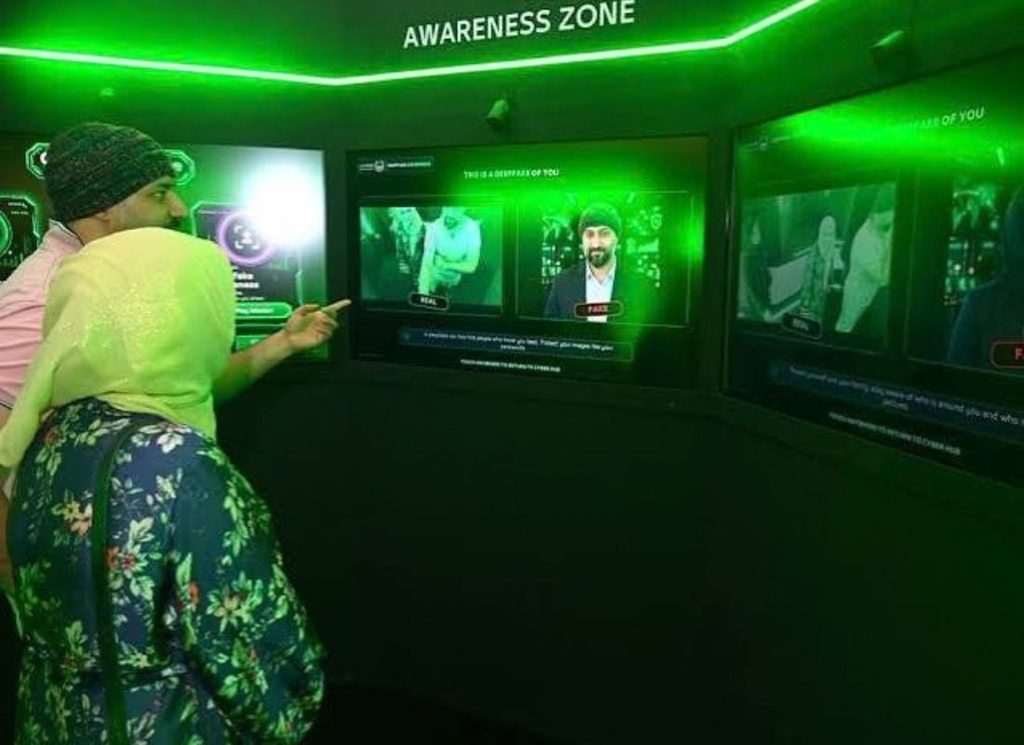
Deepfakes use artificial intelligence to create or manipulate digital material so that it can appear genuine. This can include altered videos, synthetic voices, manipulated photographs, and other forms of fabricated media.
As the technology improves, obvious signs of manipulation can become harder to spot. That creates risks for individuals, businesses and government authorities because people may act on information that appears credible but has been artificially created or altered.
Dubai Police’s study highlights potential consequences including identity theft, impersonation, fraud, misinformation and the misuse of digital material.
Credit: Photo by Canva.com
The problem is no longer just spotting fake content
One of the more significant concerns identified in the study is the possibility that people may begin to doubt genuine material as well as fake content.
If manipulated videos and recordings become increasingly realistic, simply seeing a photograph, watching a video or hearing a familiar voice may no longer provide enough confidence about where the material came from or whether it has been altered.
That could create a wider digital trust problem. Genuine recordings could be questioned, while convincing fabricated material could be accepted as real.
For security authorities, this raises the importance of checking the origin, authenticity and integrity of digital information before relying on it.
Misinformation remains a major global risk
The Dubai Police warning comes as misinformation and disinformation continue to feature prominently in global risk assessments.
The World Economic Forum’s Global Risks Report 2026 placed misinformation and disinformation as the second most significant risk over the two-year outlook, behind geoeconomic confrontation. Cyber insecurity ranked sixth over the same period.
The report also highlighted the growing difficulty of distinguishing authentic material from synthetic content, particularly as artificial intelligence becomes more capable of producing realistic media.
For the UAE, the development reinforces the importance of digital awareness as AI-generated content becomes more common across social media and online communication.
Deepfakes could complicate digital investigations
The risks extend beyond social media rumours.
Digital photographs, recordings, videos and audio can become important sources of information during investigations and other security processes. If their authenticity is difficult to establish, authorities may need stronger methods to determine whether material has been manipulated.
More sophisticated deepfakes could also give criminals additional ways to impersonate individuals, deceive victims or create fraudulent evidence.
This makes verification an increasingly important part of digital security rather than something that should happen only after suspicious content has already spread.
Dubai is also developing tools to detect deepfakes
The UAE’s response to the technology is not limited to awareness campaigns.
In September 2026, the Dubai Electronic Security Centre unveiled SARAAB, an open-source artificial intelligence model designed to detect deepfake videos. The centre said the model was developed by an Emirati team and would be made available through developer platforms for AI engineers, cybersecurity specialists and researchers.
The initiative reflects the growing focus on developing technology that can identify manipulated media while deepfake-generation tools continue to advance.
Dubai Police has also previously held specialist discussions and training related to deepfake technology, including its potential impact on forensic work, digital investigations and the reliability of electronic evidence.
Public awareness remains part of the solution
Technology alone cannot remove the risks associated with convincing AI-generated content.
The Dubai Police study points towards a broader approach involving public awareness, digital verification skills, and preparedness within institutions. For everyday users, that means being cautious before accepting or sharing unusual videos, recordings, or claims simply because they appear authentic.
Checking the original source, looking for confirmation from trusted channels, and avoiding the rapid sharing of unverified material can help limit the spread of manipulated information.
For organisations and security bodies, stronger verification procedures and continued monitoring of emerging AI capabilities will become increasingly important.
Preparing for a digital world where seeing is not enough
Deepfake technology is developing alongside the wider use of generative AI, making digital authenticity an increasingly important security issue.
Dubai Police’s latest study highlights a future in which the question may not simply be whether authorities can identify fake content, but whether they can establish reliable proof that digital information is genuine.
For UAE residents, businesses and institutions, the message is clear: digital content should not automatically be treated as trustworthy simply because it looks or sounds convincing. As AI-generated material becomes more sophisticated, verification and digital awareness are likely to become essential parts of staying secure online.