

©Photo edited by Canva.com
Dubai is planning a new phase of transport development that could see the city’s mobility network expand below the streets, across the roads and into the skies.
The vision was outlined by Mattar Al Tayer, Director General and Chairman of the Board of Executive Directors of Dubai’s Roads and Transport Authority (RTA) at the Mohammed bin Rashid Leadership Forum in October 2026.
RTA is studying an integrated underground transport network that could eventually move people, goods and services beneath the city, while other projects including Dubai Loop, the Metro Blue Line, the Metro Gold Line, autonomous vehicles and air taxis are shaping different parts of Dubai’s future transport system.
Location: Dubai
Status: Several projects are under development, while the wider integrated underground network remains under study
Dubai is planning transport across three levels
Dubai’s future mobility strategy is increasingly being designed around three interconnected layers: underground, ground level and air.
The proposed underground network would use space beneath the city for passenger transport as well as the movement of goods and services. At street level, Dubai is developing autonomous and other smart mobility solutions, while air taxis are being developed as a future aerial transport option.
The approach is aimed at preparing the emirate for rising demand as its population, business activity and daily movement continue to grow.
RTA says more than 11 million road trips take place in Dubai each day, while more than six million people move around the emirate during daylight hours. The number of people moving around the city is expected to increase substantially by 2040.
©Photo edited by Canva.com
Underground Dubai: What is being planned?
The proposed integrated underground transport network is still under study, so there is currently no confirmed construction schedule, route map or opening date for the wider system.
The concept goes beyond traditional metro tunnels. RTA is examining how underground infrastructure could accommodate different types of movement, including passengers, goods and services.
If developed, such a system could reduce some pressure on Dubai’s surface roads while creating additional capacity for a growing city.
It could also change how underground space is used in Dubai, potentially allowing more activity to take place below ground while leaving greater opportunities for walking, public spaces and other uses at street level.
The exact routes, capacity, cost and delivery timeline for this wider underground network have not yet been announced.
Dubai Loop is already moving from concept to implementation
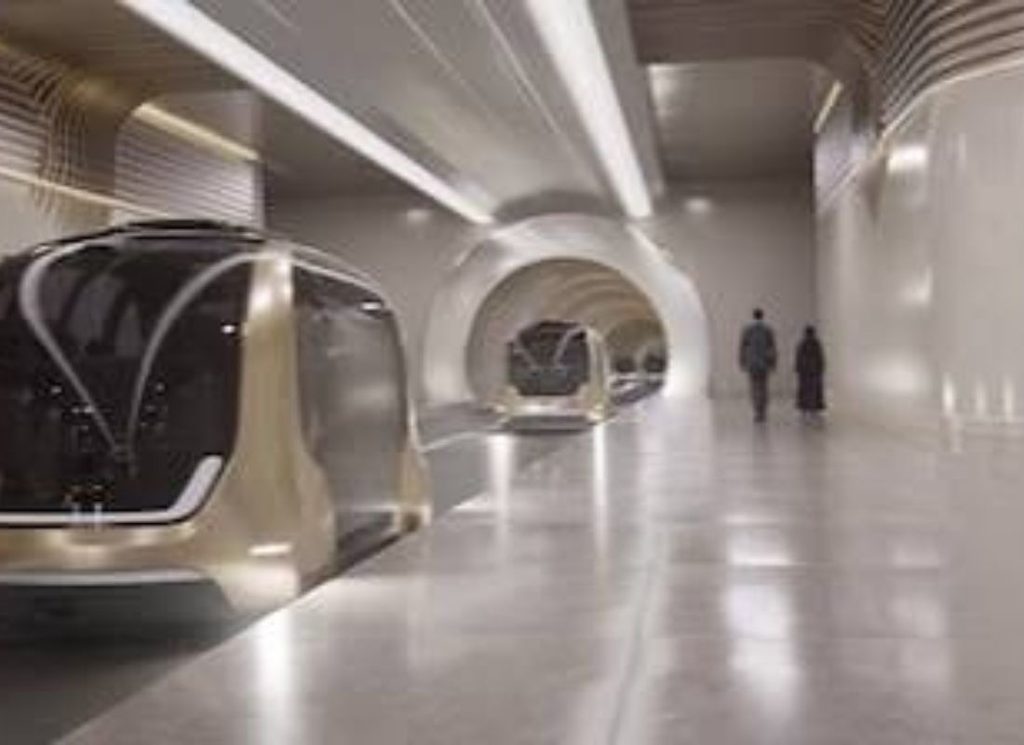
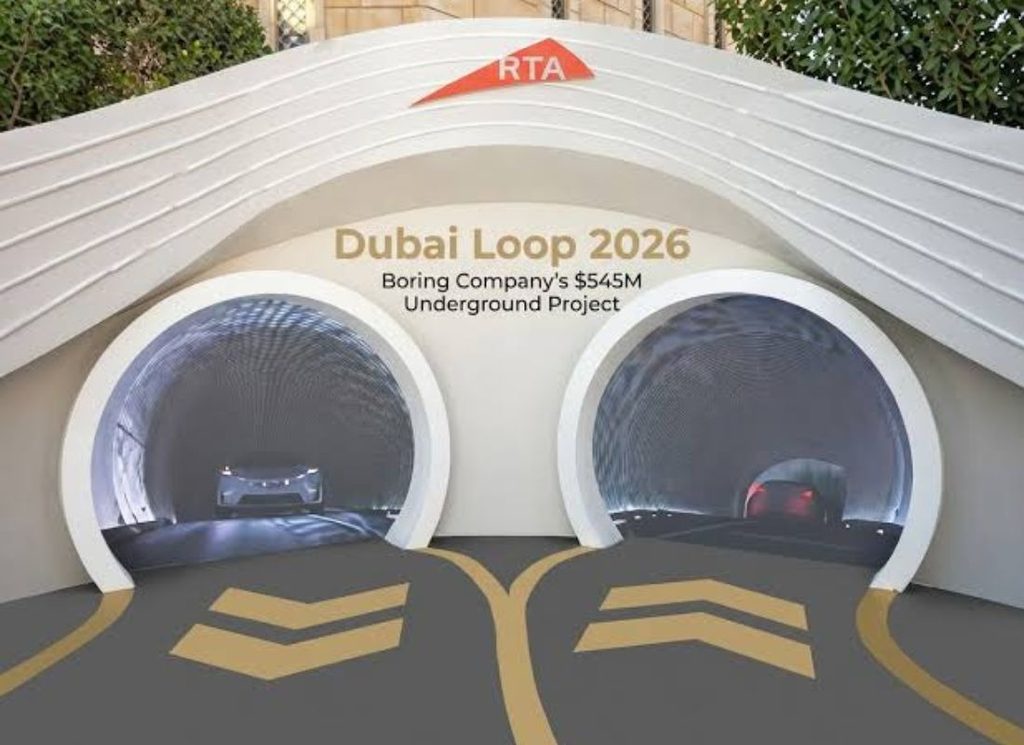
One of the most concrete examples of Dubai’s underground transport ambitions is Dubai Loop, being developed by RTA in partnership with The Boring Company.
RTA signed an agreement in February 2026 to begin implementation of the project.
The first phase covers a 6.4-kilometre route with four stations, connecting Dubai International Financial Centre and Dubai Mall. The wider planned alignment could eventually extend to 22.2 kilometres and 19 stations, connecting the World Trade Centre and financial district with Business Bay.
The first phase is estimated to cost AED 565 million, while the full route has an estimated cost of around AED 2 billion.
Unlike the Dubai Metro, Dubai Loop is designed around vehicles travelling through dedicated underground tunnels rather than conventional rail.
©Photo edited by Canva.com
Dubai Metro is also expanding underground
Dubai’s conventional rail network is being expanded alongside newer transport technologies.
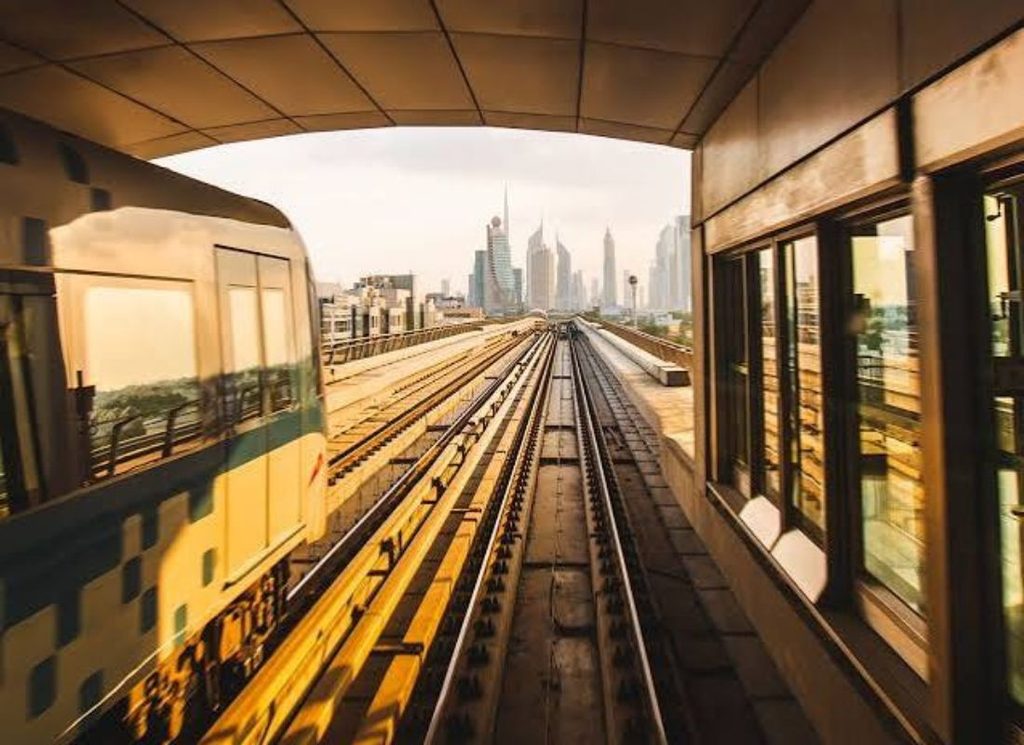
The Dubai Metro Blue Line is an AED 20.5 billion project covering 30 kilometres and 14 stations. Around 15.5 kilometres of the route will run underground.
The line will connect areas including Dubai Creek Harbour, International City, Dubai Silicon Oasis, Academic City, Mirdif and Al Warqa, while providing connections to the existing Metro network.
The Blue Line is scheduled to open in September 2029.
Dubai has also approved the AED 34 billion Metro Gold Line, which will become the emirate’s first fully underground Metro line.
The Gold Line will span 42 kilometres and include 18 stations, with connections to the existing Red and Green lines as well as Etihad Rail.
©Photo edited by Canva.com
Autonomous vehicles and air taxis will add another layer
Dubai’s transport plans extend beyond underground infrastructure.
The emirate aims for 25 per cent of journeys to be autonomous by 2030, with driverless transport forming part of its long-term mobility strategy.
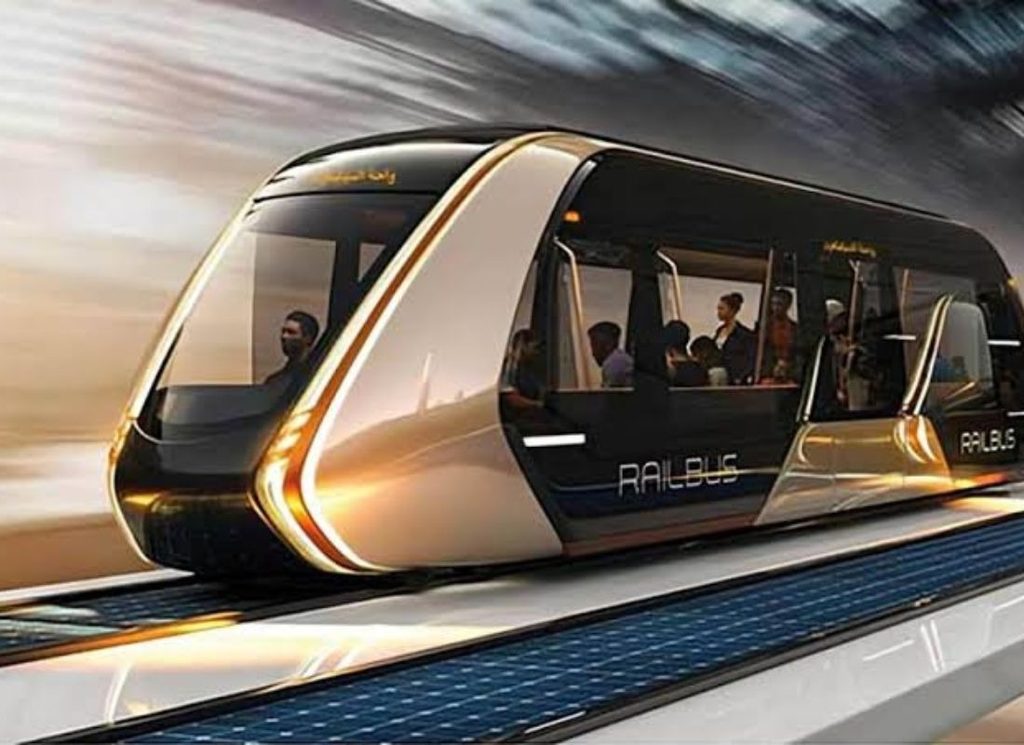
RTA has also been testing new autonomous transport technologies. In October 2026, the authority began a four-week trial of the Glydways automated transit system at Bluewaters. The system uses autonomous electric vehicles running on dedicated guideways and is designed to provide direct, on-demand journeys.
Air mobility is another part of the plan. Dubai is moving towards commercial urban air mobility, with the first air taxi station planned as part of the emirate’s efforts to introduce aerial passenger services.
Together, these developments point towards a transport network where passengers could eventually choose between conventional Metro services, underground vehicle systems, autonomous transport and air taxis depending on their destination.
Why Dubai is investing in a three-dimensional network
The scale of Dubai’s future mobility challenge is one of the main reasons behind the investment.
With millions of people travelling around the emirate every day and the population continuing to grow, relying only on conventional surface transport would place increasing pressure on roads and existing infrastructure.
Moving some journeys underground could provide additional capacity without requiring the same amount of surface land.
Meanwhile, autonomous vehicles could offer more flexible connections to Metro stations and other destinations, while air taxis could eventually provide faster links between selected parts of the city.
The overall objective is therefore not simply to build one new transport project, but to create a more integrated mobility network in which different systems work together.
What Dubai’s future transport network looks like
Dubai’s three-dimensional mobility vision is developing through several separate projects rather than one single construction programme.
Underground: A wider integrated network for people, goods and services is currently under study.
Dubai Loop: A 6.4km first phase with four stations is being implemented, with a potential full alignment of 22.2km and 19 stations.
Metro Blue Line: A 30km, 14-station expansion is scheduled to open in September 2029.
Metro Gold Line: A planned AED 34 billion, 42km underground Metro line with 18 stations.
Autonomous mobility: Dubai is targeting 25 per cent of journeys to be autonomous by 2030.
Air taxis: Dubai is progressing towards commercial urban air mobility, with an air taxi station planned as part of the rollout.
The wider underground network remains a proposal under study, so its eventual route, construction timeline and operating model have yet to be confirmed.