


Dubai’s visa system has seen several important changes and new developments during 2026, affecting tourists, property owners, residents, and people planning longer-term stays in the UAE.
Among the key updates are a faster processing timeline for certain Dubai tourist visas, more flexible rules for some property owners, new visit visa categories and expanded Golden Visa recognition. A separate GCC-wide tourist visa is also moving closer to launch, although it is not yet available to apply for.
Here are eight Dubai and UAE visa developments worth knowing about in 2026.
1. Six more nationalities became eligible for new UAE entry visa options

In June 2026, the UAE expanded eligibility for its 14-day and 60-day entry visa services to nationals of Indonesia, Vietnam, Thailand, the Philippines, Kenya and South Africa.
The change applies to ordinary passport holders who meet the relevant conditions, including holding a valid visa or residence permit from specified countries and regions such as the US, UK, EU member states, Japan, South Korea, Australia, Canada, New Zealand or Singapore.
This is an important distinction from simply saying that citizens of all six countries now receive unrestricted visa-on-arrival access. The updated rules concern specific entry visa eligibility and come with conditions.
Indian nationals were already included in the relevant eligibility category before the June expansion.
2. Dubai tourist visas can now be processed within 48 hours
©Photo edited by Canva.com
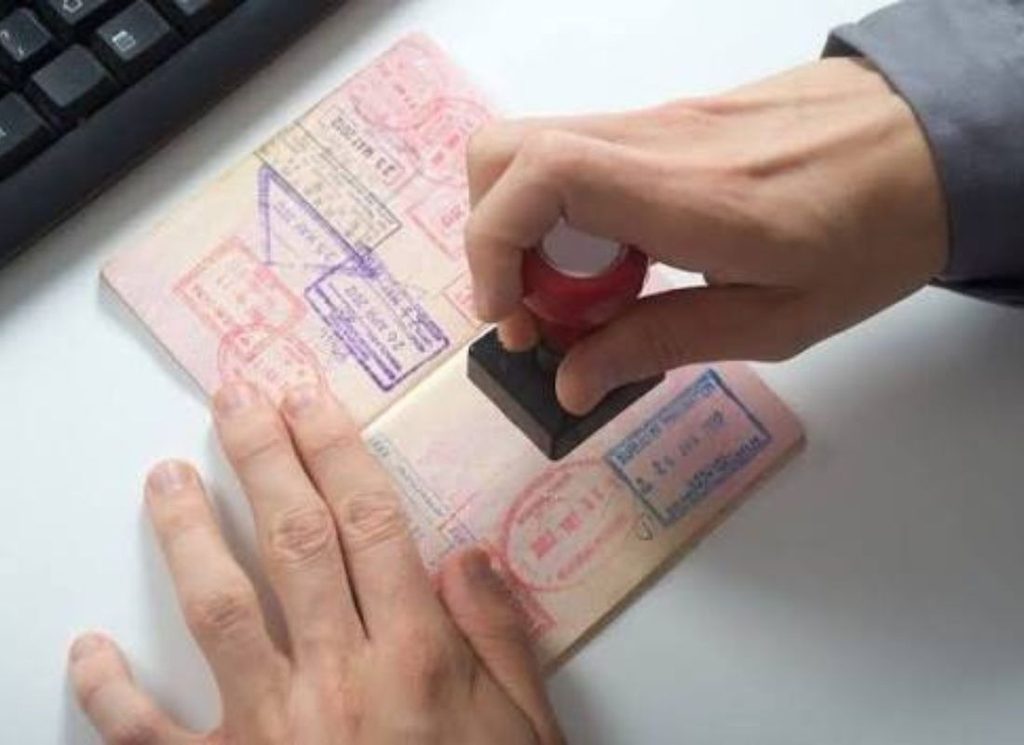
Dubai introduced a faster processing timeline for certain single-entry tourist visas in 2026.
According to the General Directorate of Residency and Foreigners Affairs – Dubai, 30-day and 60-day single-entry tourist visas can be processed within 48 working hours once the required application procedures and documents have been completed.
Applications can be submitted through authorised tourism offices and Dubai’s approved digital channels.
The 48-hour timeframe is a processing target after the requirements have been met, rather than a guarantee that every application will be approved within exactly two days.
3. Dubai removed the minimum property value for some two-year investor visas
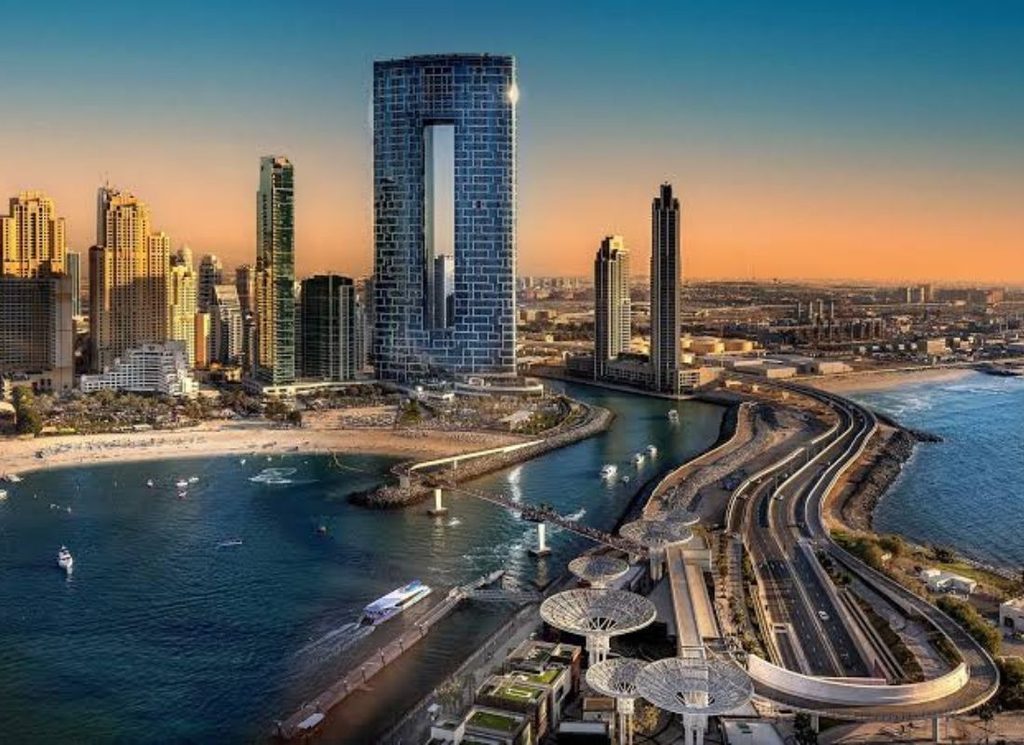
Property owners in Dubai received more flexibility in 2026 after the minimum property value requirement for the emirate’s two-year property investor residence visa was removed for sole owners.
Previously, a minimum property value of AED 750,000 applied to this route. Under the updated criteria, a sole owner can apply without that minimum property value threshold, subject to the other eligibility requirements.
Joint ownership is treated differently. Where a property is jointly owned, the individual applicant’s share must meet the applicable threshold, reported at AED 400,000.
This two-year residence route should not be confused with the separate property-based Golden Visa, for which the federal framework continues to require qualifying real estate investment of at least AED 2 million.
4. Golden Visa holders continue to receive wider residency benefits
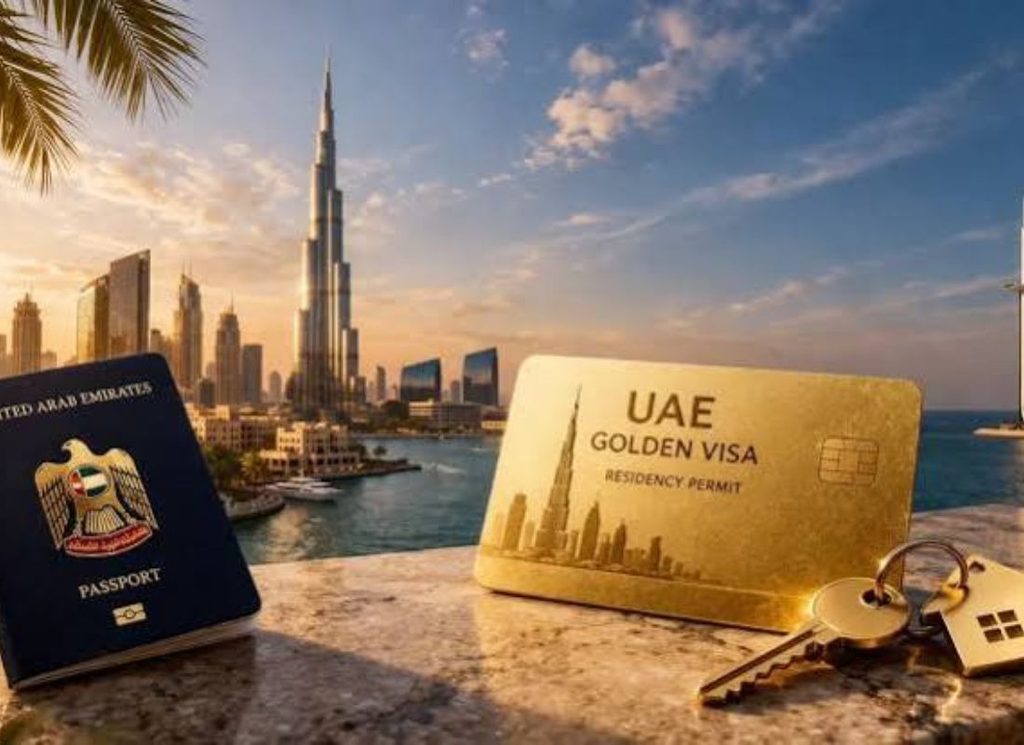
The UAE Golden Visa remains one of the country’s main long-term residency options, offering eligible applicants residence for five or 10 years, depending on their category.
One of its major advantages is that holders do not need the usual employer sponsor. Golden Residency also allows eligible holders to sponsor family members and remain outside the UAE for longer than the standard six-month period that can affect ordinary residence visas.
The Federal Authority for Identity, Citizenship, Customs and Port Security also provides eligible applicants outside the UAE with a six-month multiple-entry entry visa to complete Golden Residency procedures.
These benefits are particularly relevant to investors, entrepreneurs, specialists, talented professionals, outstanding students and other eligible groups.
5. More professionals are being recognised through Golden Visa programmes
Dubai has continued expanding the groups that can receive long-term residency through targeted Golden Visa initiatives.
In 2026, Dubai recognised professionals including nurses and outstanding private-sector educators. In May 2025, more than 1,400 nurses working for Dubai Health with more than 15 years of service were granted Golden Visas. In October 2026, another group of private-sector educators received 10-year Golden Visas in recognition of their achievements and contributions to education.
These programmes do not mean that every nurse or teacher automatically qualifies. Applicants must meet the relevant criteria and, where required, receive nomination or approval from the appropriate authority.
The UAE’s federal Golden Visa framework continues to cover categories including investors, entrepreneurs, exceptional talents and specialists, outstanding students and graduates, humanitarian pioneers and frontline heroes.
6. New UAE visit visa categories are now available

©Photo edited by Canva.com
The UAE introduced several new visit visa purposes in late 2025 that remain relevant for travellers and professionals in 2026.
The updated system added entry options for artificial intelligence specialists, entertainment, events and cruise ships or leisure boats.
The events visa can cover visitors attending activities such as exhibitions, conferences, festivals, seminars and cultural, sporting, educational or other approved events. The application requires the relevant host or sponsoring organisation to provide event details.
The rules for visiting relatives and friends were also updated. A UAE resident sponsoring a first-degree relative must meet a minimum monthly income of AED 4,000, while the requirement rises to AED 8,000 for second- or third-degree relatives and AED 15,000 when sponsoring a friend.
Other existing visa routes, including those for business opportunities, job searching and study or training, continue to be available under their respective conditions.
7. The GCC unified tourist visa is moving closer to launch
Travellers could eventually be able to visit the UAE, Saudi Arabia, Qatar, Bahrain, Kuwait and Oman using one unified tourist visa.
The project, commonly referred to as the GCC Grand Tours Visa, was approved at GCC level and has been progressing through technical and regulatory preparations.
In September 2026, GCC Secretary General Jasem Mohamed Albudaiwi said the unified tourist visa would be launched soon.
However, an important point for travellers is that the visa has not yet opened for public applications. A confirmed launch date, final fee, validity period, and complete application procedure have not been officially announced.
Until those details are released, visitors planning a trip across several Gulf countries should continue checking the individual entry requirements for each destination.
8. Outstanding traffic fines can affect Dubai visa renewal

Credit: Photo by Canva.com
Dubai has also linked residency procedures with outstanding traffic fines.
Under the system introduced by the General Directorate of Residency and Foreigners Affairs – Dubai, residents must clear their outstanding traffic fines before proceeding with certain residency transactions, including renewal, cancellation or transfer.
The electronic connection between the relevant systems was introduced to make it possible to check outstanding traffic penalties as part of the residency process.
Residents with large accumulated fines may be able to discuss instalment arrangements with the relevant authorities before proceeding with their residency application.
The change means Dubai residents should not leave unpaid traffic penalties unresolved if they have an upcoming residency transaction.
What Dubai residents and visitors should know
Dubai’s visa system is continuing to move towards faster digital services, broader entry options and more flexible long-term residency pathways.
For visitors, the 48-hour processing timeline for eligible single-entry tourist visas and the expansion of certain entry visa eligibility are among the most immediate changes. Property owners should also distinguish between the flexible two-year investor residence route and the separate AED 2 million Golden Visa property route.
Meanwhile, the GCC unified tourist visa remains a future development rather than a live application option. Anyone planning international travel to the Gulf should continue using the current official visa arrangements until the new regional system is formally launched.