

Bur Dubai and the Al Fahidi Historical District preserve the oldest surviving parts of the city, where wind tower houses, narrow lanes, and small museums sit just minutes from Dubai’s modern skyline. This guide covers the best things to do in Bur Dubai and Al Fahidi, including heritage sites, museums, dining, and photography spots, along with practical planning advice so you can explore Old Dubai with a clear sense of what to expect.
Why Visit Bur Dubai and Al Fahidi Historical District
What makes Al Fahidi Historical District unique
Al Fahidi preserves one of the last intact clusters of traditional wind tower architecture in Dubai, offering a physical link to the city’s pre-oil trading era that has almost entirely disappeared elsewhere.
A brief history of Old Dubai
Also known as Al Bastakiya, this neighborhood developed as a merchant quarter in the late nineteenth and early twentieth centuries, with traders building wind tower homes designed to stay cool before air conditioning existed.
Who should visit Bur Dubai?
History and culture enthusiasts, photographers, and anyone curious about Dubai’s development before its rapid modernization will find genuine value in exploring this district.
Best time to visit Al Fahidi Historical District
Early morning or late afternoon between November and March offers the most comfortable walking conditions, avoiding both the midday heat and the busiest tour group hours.
How much time you need
A half day covers the main heritage lanes and one or two museums, while a full day allows time to add an abra ride, Al Seef, and a proper meal at a local restaurant.
Best Things to Do in Bur Dubai and Al Fahidi Historical District
Wander through Al Fahidi Historical District
Walking the narrow sandy lanes between restored wind tower buildings remains the core experience here, with courtyards, small galleries, and quiet corners revealing themselves as you go.
Visit Al Fahidi Fort and Dubai Museum area
This restored fort houses Dubai Museum, offering exhibits that trace the city’s development from a small fishing and pearling settlement into its current form.
Explore the Sheikh Mohammed Centre for Cultural Understanding
This organization offers guided walking tours, cultural meals, and open dialogue sessions designed specifically to help visitors understand Emirati traditions and Islamic culture firsthand.
Discover the Coffee Museum
This small museum traces the history of coffee across the Arab world, offering a focused, quick stop that pairs well with a wider walk through the district.
Visit the Coins Museum
Housed within a restored heritage building, this museum displays historical currency used across the region, offering a niche but genuinely interesting stop for history enthusiasts.
Browse XVA Gallery and XVA Art Hotel
This contemporary art gallery and boutique hotel occupies a restored courtyard building, blending Al Fahidi’s traditional architecture with a rotating program of regional contemporary art.
Walk through traditional wind tower houses
These distinctive structures, built to funnel cool air into homes before electricity, remain the most visually recognizable feature of the entire district.
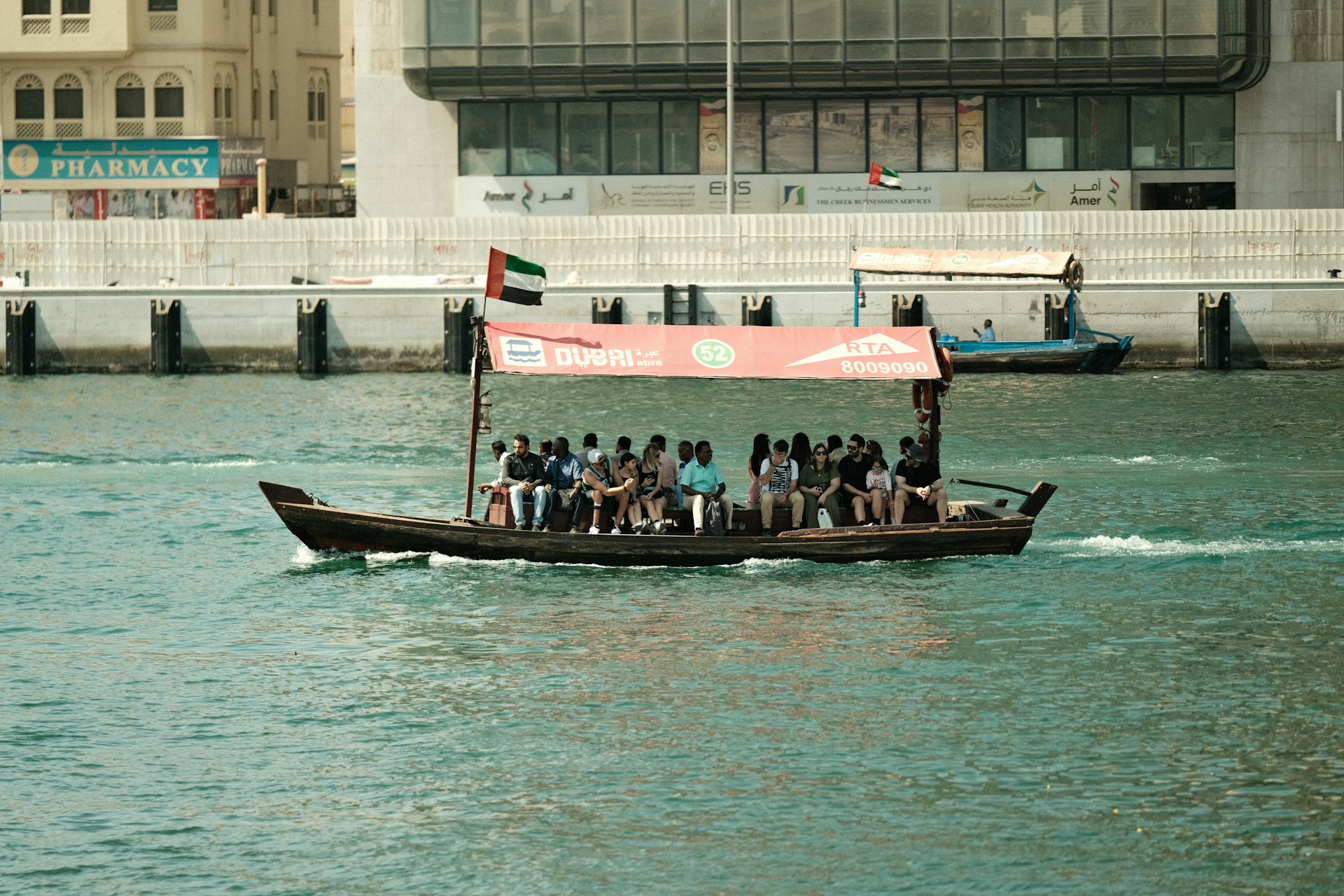
Ride a traditional abra across Dubai Creek
This short, low-cost boat crossing connects Bur Dubai to Deira, offering one of the most authentic transport experiences available anywhere in the city.
Explore the Textile Souk
Located near the creek, this market offers fabric, tailoring services, and a genuinely local shopping experience distinct from Dubai’s modern malls.
Visit Al Seef waterfront
This newer development blends heritage-style architecture with a modern promenade, functioning as a natural extension of a Bur Dubai walking route.
Stop by the Grand Mosque
This landmark mosque, one of the largest in Dubai, offers a striking architectural stop, though visits inside are generally reserved for worshippers unless part of an organized cultural tour.
Discover hidden courtyards and heritage lanes
Beyond the main tourist path, quieter lanes throughout Al Fahidi reveal smaller courtyards and restored buildings rarely crowded even during peak hours.
Best Bur Dubai Attractions by Traveler Type
First-time visitors
Al Fahidi Historical District, Dubai Museum, and an abra ride together offer a strong, efficient introduction to Old Dubai within a single day.
Families with kids
Dubai Museum and a short abra ride both suit families well, offering an engaging, hands on way to introduce children to the city’s history.
Couples
A sunset abra ride paired with an evening walk through Al Seef offers couples a quiet, atmospheric alternative to Dubai’s more modern romantic attractions.
Solo travelers
The heritage lanes and small museums throughout Al Fahidi suit solo exploration particularly well, allowing visitors to move at their own pace through the district.
History and culture lovers
The Sheikh Mohammed Centre for Cultural Understanding, Dubai Museum, and the Coins Museum together offer the strongest concentration of historical depth in Bur Dubai.
Budget travelers
Free heritage walks, a low-cost abra ride, and affordable local dining all make Bur Dubai one of the most budget-friendly districts to explore in Dubai.
Photography enthusiasts
The wind tower lanes, creekside abra docks, and Al Seef promenade all offer strong, distinctive photography subjects within a compact area.
Historic Landmarks and Heritage Museums
Al Fahidi Fort
As one of the oldest surviving buildings in Dubai, this fort now houses the Dubai Museum and serves as an anchor point for exploring the wider historical district.
Dubai Museum
Exhibits here cover traditional Emirati life, pearl diving, and the city’s early trading history, offering essential context before exploring the surrounding heritage lanes.
Sheikh Mohammed Centre for Cultural Understanding
This center offers structured tours and cultural experiences aimed at helping visitors engage directly with Emirati traditions rather than simply observing from a distance.
Coffee Museum
This focused, single-subject museum offers a quick but genuinely informative stop covering the cultural significance of coffee across the region.
Coins Museum
This smaller museum appeals specifically to visitors interested in the region’s trading and economic history through its currency collection.
Heritage architecture and wind towers
The wind tower houses throughout Al Fahidi remain the district’s most distinctive architectural feature, designed centuries ago to cool interior spaces without electricity.
Dubai Creek and Traditional Abra Experiences
Why ride an abra
Beyond its practical function connecting Bur Dubai to Deira, this short wooden boat crossing offers one of the most authentic and affordable experiences available anywhere in the city.
Best creekside walking routes
The waterfront promenade near the abra docks offers free views of traditional dhows loading cargo, a scene that has remained largely unchanged for decades.
Sunset and evening experiences
Late afternoon abra rides offer particularly strong lighting conditions, with the water reflecting the changing sky against the older buildings along both banks.
Photography opportunities along Dubai Creek
The docked abras, working dhows, and creekside architecture all provide strong, authentic photography subjects rarely matched elsewhere in Dubai.
Restaurants, Cafes and Traditional Emirati Food
Best Emirati restaurants
Several small restaurants throughout Bur Dubai serve authentic Emirati dishes, offering a more genuine introduction to local cuisine than most tourist-focused venues elsewhere in the city.
Traditional Arabian cafes
Arabian Tea House, located within Al Fahidi, remains one of the most popular spots for traditional refreshments served in a restored courtyard setting.
Indian and Pakistani restaurants
Given the district’s diverse community, Bur Dubai offers some of the most authentic and affordable South Asian dining available anywhere in the city.
Arabic restaurants
Numerous Lebanese and broader Arabic restaurants throughout the district serve grilled meats and mezze at reasonable prices.
Local street food
Small stalls throughout the district and nearby Meena Bazaar offer quick, inexpensive local food suited to sampling several dishes across a single walk.
Best cafes inside Al Fahidi Historical District
Several small cafes within restored courtyard buildings offer a quiet, atmospheric setting distinct from Dubai’s more polished modern cafe culture.
Shopping Guide in Bur Dubai
Textile Souk
This market near the creek offers fabric and tailoring services, appealing to visitors interested in a more practical, locally focused shopping experience.
Traditional markets
Beyond the Textile Souk, smaller markets throughout Bur Dubai and nearby Meena Bazaar offer everyday goods aimed primarily at residents.
Handmade souvenirs
Small shops within Al Fahidi occasionally offer locally made crafts and textiles, providing a more distinctive alternative to standard tourist merchandise.
Local handicrafts
Galleries like XVA occasionally sell smaller artisan pieces alongside their main exhibitions, worth checking for visitors interested in regional craftsmanship.
Shopping tips and bargaining advice
Negotiating prices is standard practice in the Textile Souk and surrounding markets, with starting offers generally set below the asking price.
Family Friendly Things to Do
Museums for children
Dubai Museum’s hands-on exhibits and reconstructed scenes generally hold children’s attention better than a purely text-based museum experience.
Cultural experiences for families
Guided sessions through the Sheikh Mohammed Centre for Cultural Understanding offer families an interactive, question-friendly way to learn about local traditions together.
Outdoor activities
An abra ride and a walk along Al Seef both offer engaging outdoor activities suited to children of most ages.
Family-friendly restaurants
Casual restaurants throughout Bur Dubai and Al Seef offer straightforward, affordable meals suited to families traveling with children.
Romantic Things to Do for Couples
Abra ride at sunset
This short, low-cost boat crossing offers couples a quiet, scenic moment together as the light changes over the creek.
Romantic cafes
Small courtyard cafes within Al Fahidi offer a quiet, intimate setting distinct from Dubai’s busier modern dining scene.
Evening walks around Al Seef
The waterfront promenade becomes noticeably more comfortable and atmospheric after sunset, suited to a relaxed evening walk together.
Heritage photography together
The wind tower lanes and creekside docks both offer distinctive, uncrowded backdrops for couples wanting memorable photos together.
Free and Budget Friendly Things to Do
Free heritage walks
Wandering the lanes of Al Fahidi Historical District costs nothing and remains one of the best free experiences available anywhere in Dubai.
Affordable museums
Dubai Museum and the Coffee Museum both charge modest entry fees relative to the amount of historical context they provide.
Budget dining
Local Indian, Pakistani, and Arabic restaurants throughout Bur Dubai consistently offer some of the most affordable meals available in the city.
Free cultural attractions
Exterior views of the Grand Mosque and general wandering through Al Fahidi’s lanes both cost nothing beyond your own time.
Money saving tips
Traveling by abra instead of taxi and combining several nearby free attractions into a single walking route both help keep a Bur Dubai visit affordable.
Hidden Gems in Bur Dubai
Quiet heritage streets
Lanes further from the main entrance to Al Fahidi see noticeably less foot traffic, offering a quieter look at the district’s restored architecture.
Lesser-known museums
The Coins Museum receives far less attention than Dubai Museum, offering a quieter, more focused experience for interested visitors.
Hidden cafes
Small, unmarked cafes tucked into courtyards throughout Al Fahidi often offer a more genuine local experience than the more visible options near the main entrance.
Peaceful courtyards
Several restored courtyards throughout the district remain largely empty even during busier hours, offering a quiet spot to sit and take in the surroundings.
Secret photography locations
Quieter lanes away from the main tourist path often provide stronger, less crowded compositions than the more heavily photographed main streets.
Best Photography Spots
Wind tower streets
The narrow lanes lined with restored wind tower buildings remain the most iconic and recognizable photography subject in the entire district.
Dubai Creek waterfront
The docked abras and working dhows along the creek offer a genuinely authentic, timeless photography setting.
Al Seef promenade
This waterfront development offers a blend of heritage-style architecture and modern skyline views, useful for a different kind of shot within the same general area.
Heritage courtyards
The quieter restored courtyards throughout Al Fahidi provide strong architectural detail without the crowds found on the main lanes.
Traditional abra docks
The wooden boats lined up along the water offer one of the most immediately recognizable images associated with this part of Dubai.
Attraction Comparison Guide
Al Fahidi Historical District vs Al Seef
Al Fahidi offers original, restored heritage architecture, while Al Seef provides a newer, heritage-style development with a more polished, modern feel.
Dubai Museum vs Coffee Museum
Dubai Museum offers a broader overview of the city’s history, while the Coffee Museum provides a narrower but more focused cultural deep dive.
Abra ride vs Dubai Creek cruise
An abra ride offers a quick, authentic, low-cost crossing, while a longer creek cruise provides a more relaxed, extended view of the waterfront.
Textile Souk vs Gold Souk
The Textile Souk in Bur Dubai focuses on fabric and tailoring, while the Gold Souk, located across the creek in Deira, centers on jewelry.
Bur Dubai vs Deira
Bur Dubai leans more heavily into museums and heritage architecture, while Deira, across the creek, offers a stronger concentration of trading souks.
Self-guided walk vs guided heritage tour
A self-guided walk offers flexibility and a quieter pace, while a guided tour through the Sheikh Mohammed Centre for Cultural Understanding provides deeper cultural context and direct interaction.
Bur Dubai Travel Planning Guide
Estimated attraction costs
Dubai Museum entry typically costs a modest fee, while smaller museums like the Coffee Museum and Coins Museum charge similarly low entry prices, keeping a full day of sightseeing genuinely affordable.
Opening hours
Most museums and heritage sites operate standard daytime hours, though the district itself remains walkable and atmospheric well into the evening.
Best time to visit each attraction
Early morning suits the heritage lanes before crowds build, while the creek and Al Seef are best experienced in the late afternoon or evening.
Recommended visit duration
A half day covers the main heritage lanes and one museum, while a full day allows time to add an abra ride, Al Seef, and a proper meal.
Attractions worth booking in advance
Guided sessions through the Sheikh Mohammed Centre for Cultural Understanding often require advance booking, particularly for cultural meal experiences.
Walking versus public transport
The core of Al Fahidi is compact enough to explore entirely on foot, though the metro remains useful for reaching Bur Dubai from other parts of the city.
Suggested daily budget
A full day covering museum entry, an abra ride, and two meals typically costs significantly less than a comparable day spent in Downtown Dubai or the Marina.
Suggested Bur Dubai Itineraries
Half-day itinerary
Start at Al Fahidi Historical District, continue to Dubai Museum, then finish with an abra ride across the creek.
One day Bur Dubai itinerary
Add the Sheikh Mohammed Centre for Cultural Understanding and a walk through Al Seef to the half-day plan, finishing with dinner at a local restaurant.
Family itinerary
Combine Dubai Museum and an abra ride with a relaxed walk along Al Seef for a well-balanced family day.
Budget itinerary
Focus on the free heritage lanes, the low-cost abra ride, and affordable local dining to keep costs to a minimum.
Heritage and culture itinerary
Prioritize the Sheikh Mohammed Centre for Cultural Understanding, Dubai Museum, and the Coins Museum for a day focused specifically on cultural depth.
Photography itinerary
Plan around early morning light in the wind tower lanes, followed by late afternoon shots along the creek and Al Seef promenade.
Things to Do Near Bur Dubai
Deira
Located directly across the creek, Deira offers additional souks and markets easily combined with a Bur Dubai visit via a short abra ride.
Dubai Creek
The waterway itself connects several nearby attractions and remains worth exploring beyond just the abra crossing.
Al Seef
This waterfront development sits directly adjacent to Al Fahidi, making it a natural extension of any heritage-focused walking route.
Meena Bazaar
This bustling commercial street offers additional shopping and dining, located within easy walking distance of the historical district.
Dubai Frame
This landmark structure near Zabeel Park offers views comparing old and new Dubai, tying together the themes explored throughout Bur Dubai.
Dubai Museum area
The area surrounding Al Fahidi Fort offers additional smaller heritage sites worth exploring alongside the main museum.
Best Hotels in Bur Dubai
Luxury hotels
Several upscale properties near the creek offer waterfront views alongside convenient access to the heritage district.
Mid-range hotels
A wide selection of comfortable, moderately priced hotels throughout Bur Dubai suits travelers wanting good value without sacrificing location.
Budget hotels
Bur Dubai remains one of the more affordable areas in Dubai for accommodation, with numerous options within walking distance of the main attractions.
Heritage boutique hotels
XVA Art Hotel offers a distinctive stay directly within a restored courtyard building, suited to travelers wanting to experience the district’s architecture firsthand.
Getting Around Bur Dubai
Dubai Metro
Several stations along both the Red and Green Lines serve Bur Dubai, offering efficient access from other parts of the city.
Abra boats
Beyond serving as an attraction in their own right, abras function as practical transport connecting Bur Dubai to Deira across the creek.
Public buses
An extensive bus network covers Bur Dubai, offering an affordable alternative for visitors comfortable navigating local routes.
Taxis and ride-hailing apps
These provide a convenient option for visitors wanting a more direct route into or around the district.
Walking around Al Fahidi Historical District
The heritage lanes are compact and best explored entirely on foot, since narrow streets and pedestrian-only sections limit vehicle access throughout much of the core area.
Practical Tips for Visiting Bur Dubai
Visit during cooler hours
Arriving early in the morning or in the late afternoon helps you explore the heritage lanes comfortably, particularly during warmer months.
Dress respectfully
Modest clothing is appreciated throughout the district, particularly near the Grand Mosque and during any guided cultural sessions.
Carry cash for small purchases
Smaller shops and cafes throughout Al Fahidi and the Textile Souk often operate primarily on cash.
Respect local customs
Photographing people directly without permission, particularly near the Grand Mosque, should generally be avoided out of respect for local customs.
Essential photography etiquette
Always ask before photographing individuals up close, and be mindful of quieter courtyards that may be part of private residences or working businesses.
Common mistakes to avoid
Visiting during the hottest part of the day and skipping the Sheikh Mohammed Centre for Cultural Understanding, one of the most informative stops in the district, are among the most common oversights visitors make.
Frequently Asked Questions
What is Al Fahidi Historical District famous for?
Al Fahidi is best known for its preserved wind tower architecture and its role as one of the last surviving traditional merchant quarters in Dubai.
Is Bur Dubai worth visiting?
Yes, Bur Dubai offers one of the most authentic and historically rich experiences available in Dubai, combining museums, heritage architecture, and traditional dining.
What are the best things to do in Bur Dubai?
Wandering Al Fahidi Historical District, visiting Dubai Museum, and taking an abra ride across Dubai Creek consistently rank among the top experiences in the area.
How long do you need at Al Fahidi Historical District?
A half day covers the main heritage lanes and one museum, while a full day allows time to add the Sheikh Mohammed Centre for Cultural Understanding and Al Seef.
Can you walk around Bur Dubai?
Yes, the heritage lanes and surrounding streets are compact and highly walkable, making foot travel the most practical way to explore.
How do I get to Al Fahidi Historical District?
The Dubai Metro, along with taxis and ride-hailing apps, all provide convenient access, with several stations located within walking distance of the district.
What are the best museums in Bur Dubai?
Dubai Museum, the Coffee Museum, and the Coins Museum together offer the strongest concentration of historical and cultural context in the area.
When is the best time to visit Al Fahidi Historical District?
Early morning or late afternoon, particularly between November and March, offer the most comfortable conditions for exploring the district on foot.
Conclusion
Bur Dubai and Al Fahidi Historical District together offer one of the most authentic ways to experience Old Dubai, combining preserved wind tower architecture, focused museums, and a genuine creekside atmosphere within a compact, walkable area. Whether you prioritize photography, cultural depth through the Sheikh Mohammed Centre for Cultural Understanding, or simply a quiet walk through restored heritage lanes, this district rewards visitors willing to slow down and look closely. Pairing a morning walk through Al Fahidi with an afternoon abra ride and an evening along Al Seef creates a well-rounded introduction to the city’s history that few other parts of Dubai can match.