



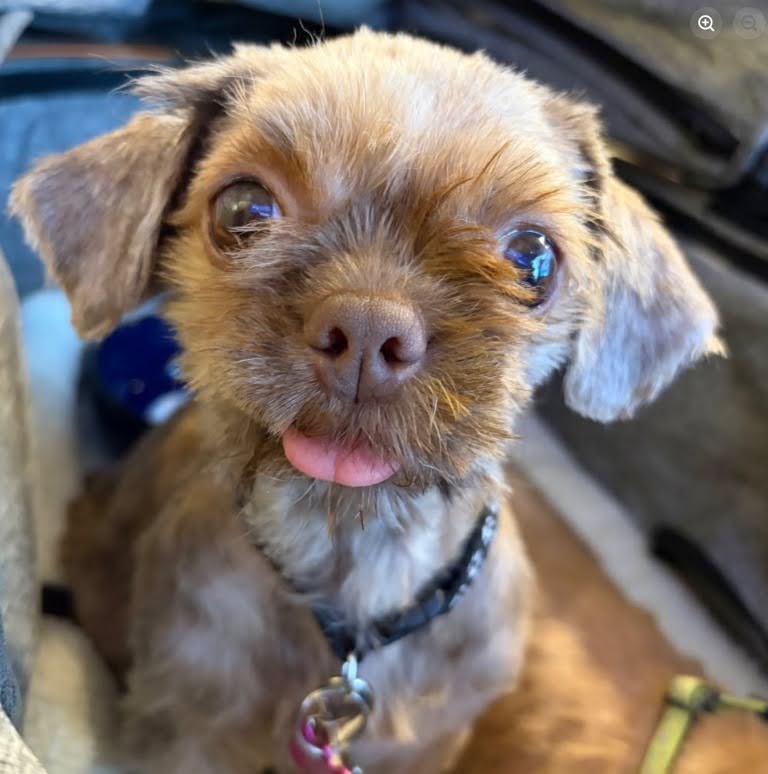
©Photo by greymuzzle
Senior dogs face the highest risk in animal shelters. They have higher medical costs, longer shelter stays, and lower adoption rates than younger dogs. Many local shelters and rescues lack the funding to provide the specialized care these older animals need. This resource gap leads to unnecessary euthanasia and leaves many senior dogs without a home.
The Grey Muzzle Organization solves this problem through targeted grantmaking. The nonprofit provides essential funding to animal welfare groups nationwide to improve outcomes for at-risk senior dogs. Today, we sit down with Emily Grossheider, Executive Director of The Grey Muzzle Organization. We discuss the nonprofit’s mission, its grant programs, and how they help local shelters save older dogs.
Q: The Grey Muzzle Organization focuses entirely on older dogs. What is your core mission, and what future do you envision for senior dogs?
Emily Grossheider: Our mission is straightforward and urgent: we improve the lives of at-risk senior dogs by providing grant funding to animal welfare groups nationwide. We exist because older dogs are too often overlooked—higher medical costs, longer shelter stays, and lower adoption rates put them at the greatest risk.
The future we envision is one in which every senior dog finds safety, love, and a soft landing. No old dog should die alone and afraid. We want a world where age is never the reason a dog is left behind, and where shelters and rescues have the resources and tools to give older dogs the second chances they deserve.
Q: Unlike a traditional rescue, your organization operates as a grantmaker. Why did you choose this funding model over running a shelter?
Emily Grossheider: We chose the grantmaking model deliberately. Running a single shelter would help the dogs who come through our doors, but it would limit how many senior dogs we could reach. By funding programs across the country, we strengthen the capacity of many organizations at once and improve outcomes for far more older dogs than we ever could as a direct service provider.
We don’t operate a shelter or adopt dogs ourselves. Every dollar we distribute is a dollar we first raise from generous supporters. We invest those funds in the shelters, rescues, and nonprofits already on the front lines–organizations that know their communities best. This approach multiplies impact, spreads effective practices, and builds a stronger national safety net for senior dogs. And it only works because people choose to support this work.

©Photo by greymuzzle
Q: Your 2026-2027 grant cycle features two main categories: Pathways Home and Staying Home. How do these two grants address different parts of the senior dog crisis?
Emily Grossheider: Pathways Home and Staying Home tackle two sides of the same problem.
Pathways Home supports programs that get senior dogs out of shelters and into loving homes faster. Medical care that makes a dog adoption-ready, targeted marketing, senior-specific adoption promotions, and transport or foster support remove barriers to placement and help senior dogs find soft spots to land faster.
Staying Home focuses on keeping senior dogs with the families who already love them. These grants fund interventions that prevent surrender in the first place: veterinary assistance, dental care, behavior support, and resources that help owners manage the challenges of aging pets.
Together, the two categories reduce the number of older dogs entering the shelter system and improve the chances for those who do.
Q: You require grantees to submit detailed intake and outcome data. How does tracking this data help you identify the best ways to save senior dogs?
Emily Grossheider: Data turns good intentions into proven strategies. When grantees report intake numbers, medical interventions, length of stay, adoption outcomes, and costs, we can see what actually works (and what doesn’t!).
That information lets us identify the most effective approaches, refine future grant priorities, and share concrete best practices with the broader animal welfare community. Over time, we’re building one of the first national pictures of senior dog needs and outcomes. The goal is simple: stop guessing and start scaling the interventions that truly save lives.
Q: Your 2026 Incubator Grants target smaller organizations. How does this specific funding help emerging rescues build long-term sustainability?
Emily Grossheider: Smaller and newer organizations often have the heart and the local knowledge, but they lack the flexible funding and mentorship to test and stabilize senior dog programs. Incubator Grants give them seed support to launch or strengthen essential services while they build systems, track results, and learn what is sustainable in their communities, alongside mentorship from our team and their peers, so they can serve more senior dogs.
By investing early, we help these groups develop lasting capacity rather than one-off projects. The result is more organizations equipped to serve senior dogs well for years to come, not just for a single grant cycle.
Q: You share successful strategies with shelters nationwide. What is your ultimate goal for this growing network of grant partners?
Emily Grossheider: Our ultimate goal is a national learning network in which effective senior dog programs are documented, shared, and adapted everywhere they’re needed. We want every shelter and rescue, regardless of size or location, to have access to proven approaches, practical tools, and the knowledge that they are not alone in this work.
When that network is strong, the field moves faster than any single organization can. Senior dogs benefit from better care, shorter stays, higher adoption rates, and fewer heartbreaking outcomes. That is the systemic change we are building toward, one partnership and one shared lesson at a time.
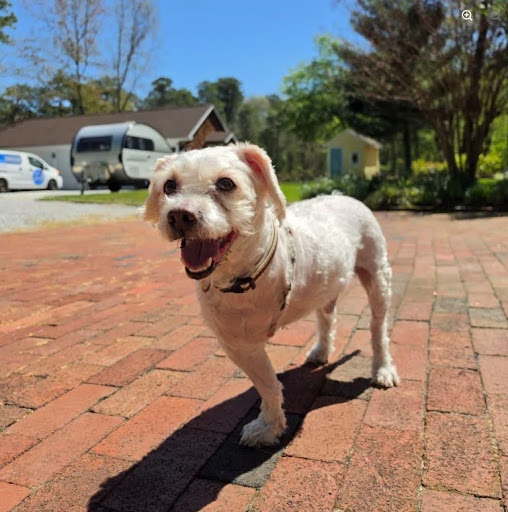
©Photo by greymuzzle
This interview shows the value of strategic grants in animal welfare. By funding adoption programs and surrender prevention, The Grey Muzzle Organization solves the main problems facing older dogs. Their focus on data ensures every grant creates real results for communities across the country.
Protecting older pets requires steady funding and proven strategies. As shelter intakes increase, targeted grants become even more vital to animal welfare. The Grey Muzzle Organization gives local groups the financial resources they need to keep senior dogs safe, healthy, and loved.
To learn more and to support The Grey Muzzle Organization, visit https://greymuzzle.org/
Disclaimer: This article is provided for general informational purposes only. Information about The Grey Muzzle Organization, its mission, grant programs, funding activities, outcomes, and statements attributed to its representatives is based on the information available at the time of writing and may change over time. Grant eligibility, funding availability, program results, and animal welfare outcomes may vary by organization and circumstance. Readers should independently verify current information with the relevant organization before making decisions or relying on specific claims. No particular funding, adoption, rescue, or animal welfare outcome is guaranteed.