



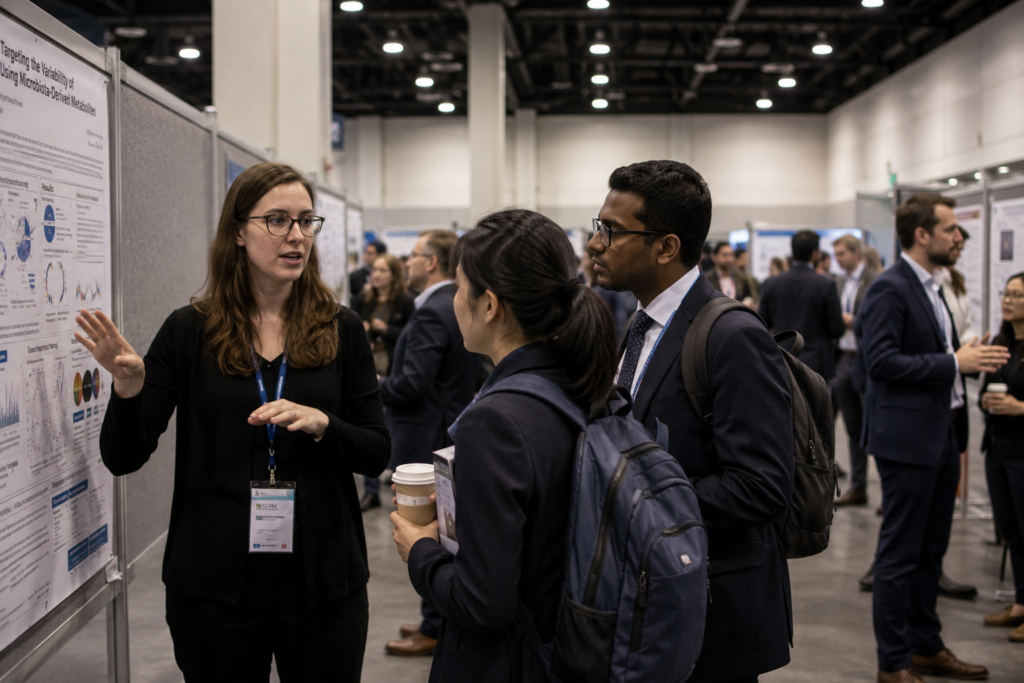
Academic conferences have evolved far beyond their traditional role as venues for presenting research. In 2026, they are increasingly serving as career-building platforms where researchers establish international collaborations, discover funding opportunities, gain early feedback on their work, and stay informed about emerging developments across their disciplines.
As research becomes more global and interdisciplinary, conferences continue to play a central role in connecting scholars from universities, research institutions, government organisations, and industry. Whether held in person, virtually, or through hybrid formats, these events are helping shape the future of academic careers by making collaboration and knowledge sharing more accessible than ever before.
Conferences Are Becoming Essential for Research Visibility
Publishing in reputable journals remains one of the most important milestones for researchers, but conferences often provide the first opportunity to showcase new findings to the academic community. Presenting research before publication allows scholars to receive valuable feedback from experts, strengthen their methodology, and refine their work before submitting it to peer-reviewed journals.
Many internationally recognised conferences, including IEEE conferences, publish peer-reviewed proceedings that allow researchers to present their findings before journal publication. For scholars working in engineering, computer science, electronics, and related disciplines, IEEE conferences often provide an important platform for gaining early recognition and receiving constructive feedback from experts.
Networking Is Driving New Research Opportunities
One of the greatest benefits of attending academic conferences is the opportunity to build professional relationships. Researchers frequently meet collaborators who later become co-authors, project partners, or grant applicants. These interactions often extend well beyond the conference itself, leading to long-term research partnerships across institutions and countries.
For doctoral candidates, postdoctoral researchers, and early-career academics, networking can be particularly valuable. Conversations with experienced researchers may lead to mentorship opportunities, invitations to collaborate on international projects, or introductions to institutions seeking new talent.
Early Access to Emerging Research
Academic conferences often feature research months before it appears in journals. This gives attendees access to new ideas, innovative methodologies, and developing technologies while they are still being discussed within the research community.
Fast-moving disciplines such as artificial intelligence, healthcare, renewable energy, cybersecurity, and climate science particularly benefit from conference-based knowledge exchange, where researchers can discuss emerging challenges and solutions in real time.
Hybrid Conferences Are Expanding Global Participation
Hybrid events have become a standard feature of the academic landscape in 2026. By combining in-person attendance with virtual participation, organisers are making conferences more accessible to researchers who may face financial, geographical, or travel-related barriers.
This expanded accessibility has increased international participation, allowing scholars from developing and developed research communities alike to contribute to global discussions without the limitations associated with traditional travel.
Digital networking platforms, virtual poster sessions, live-streamed keynote presentations, and AI-powered matchmaking tools are also improving the online conference experience, helping researchers connect more effectively regardless of their location.
Choosing Credible Conferences Matters More Than Ever
As the number of academic conferences continues to grow, researchers are encouraged to carefully evaluate conference credibility before submitting their work.
Reputable conferences typically provide transparent peer-review processes, clearly defined editorial standards, recognised organising committees, and affiliations with established academic institutions or professional organisations. Verifying these factors helps researchers avoid predatory conferences that offer limited academic value while protecting the integrity of their research.
Trusted conference listing platforms can also help researchers identify legitimate events that align with their subject areas, preferred locations, and publication goals.
Looking Ahead
Academic conferences are expected to continue evolving as technology reshapes scholarly communication. Artificial intelligence is beginning to improve networking recommendations, multilingual translation tools are making international discussions more accessible, and digital collaboration platforms are extending conversations well beyond the closing session.
Rather than serving only as venues for presenting completed research, conferences are becoming environments where new ideas are tested, collaborations begin, and future research directions are established.
For researchers seeking to build stronger academic profiles, expand international networks, and remain informed about developments within their fields, conference participation has become an increasingly important part of long-term professional growth.
Media Contact
Company Name: Conference Alert
Email: info@conferencealert.com
Website: https://www.conferencealert.com/