

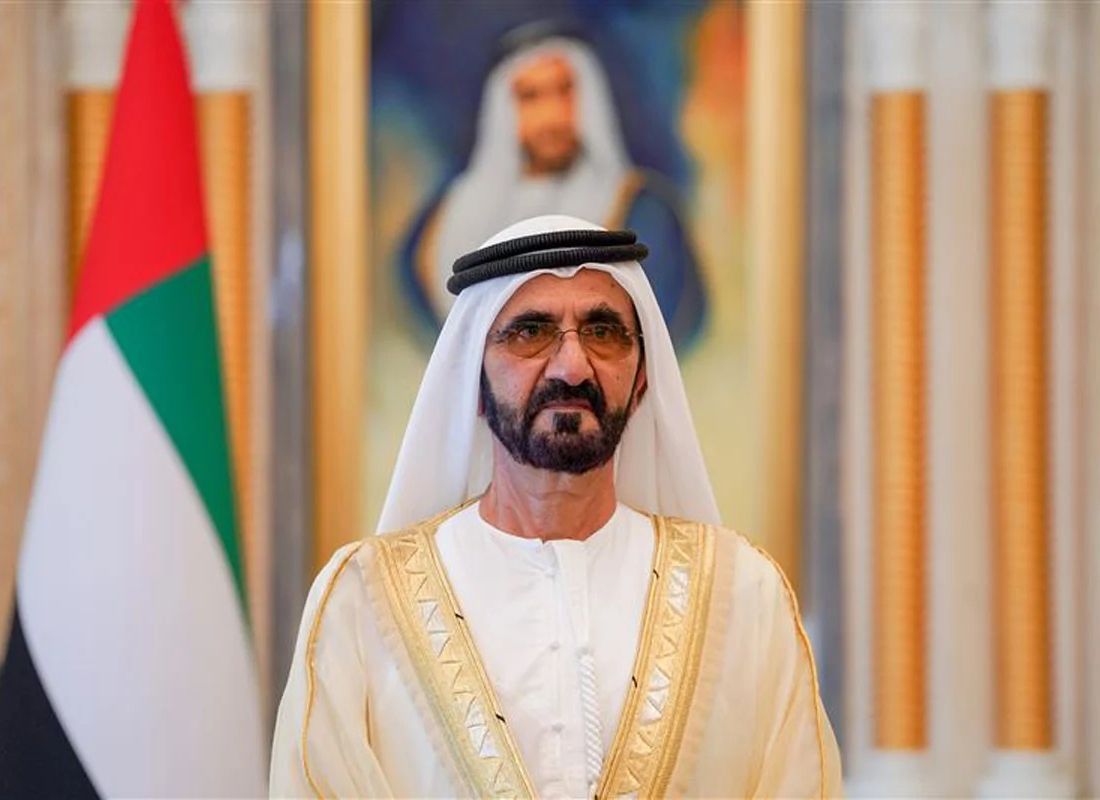
Sheikh Mohammed bin Rashid Al Maktoum, Vice President and Prime Minister of the UAE and Ruler of Dubai, has set out seven principles he believes should shape everyday life in Dubai, focusing on responsibility, human dignity, excellence, humility, optimism, doing good and loyalty to the country.
The principles appear in “A Letter to the Dubai Community”, part of Sheikh Mohammed’s recently launched book The Letters, the second instalment of Lessons from Life. The message is addressed broadly to Dubai’s citizens, residents, visitors and people who feel connected to the city, with the central idea that Dubai’s identity should be defined not only by its infrastructure but by the values practised by the people who live there.
1) Take responsibility for the role you have
The first principle puts personal responsibility at the centre of a functioning society.
Sheikh Mohammed’s message extends that idea across everyday life: employees are responsible for their work, leaders for their teams, parents for their families and individuals for the communities around them. Professional roles carry responsibility too, whether someone is a teacher, doctor, business owner or public servant.
He also places responsibility on government, describing public institutions as accountable for people’s wellbeing, security, rights and quality of life. The broader message is that strong societies are built when accountability is treated as a shared duty rather than something expected only from leadership.
2) Put human dignity and respect first
The second principle focuses on respect for people regardless of background.
For Sheikh Mohammed, coexistence begins with recognising the dignity, identity and rights of every individual. That includes respect for people’s beliefs, cultures, time and feelings, as well as appreciation for women, older people, workers and those who may hold different opinions.
The principle also shifts attention away from measuring a city only through buildings and economic achievements. A city’s character, he argues, is equally reflected in how people are treated within it.
3) Make excellence part of everyday work
The third principle centres on Itqan, the idea of performing work with precision, care and mastery.
Rather than treating excellence as something limited to major projects, Sheikh Mohammed presents it as the accumulation of small actions done properly. Clean streets, high-quality services, well-maintained public spaces and professional behaviour all contribute to how Dubai is experienced and perceived.
That same expectation applies to individuals. From airport employees and engineers to service providers and road workers, the quality of each person’s work contributes to the wider reputation of the city.
4) Stay humble as success grows
Dubai’s achievements should not become a reason for complacency, according to the fourth principle.
Sheikh Mohammed connects humility with continued learning, arguing that recognising how much remains unknown creates room for greater ambition and better judgement. He also links humility with fairness, suggesting that being willing to accept truth and learn from others can protect people and institutions from arrogance.
The message draws on Dubai’s own transformation from far more modest beginnings, using that history as a reminder that continued progress requires curiosity rather than assuming the journey is complete.
5) Treat optimism as a way of working
Credit: Photo by Canva.com
The fifth principle goes beyond simply having a positive outlook.
Sheikh Mohammed describes optimism as an active approach to challenges: difficulties can reveal opportunities, crises can encourage creativity, and future change can create new possibilities.
Young people receive particular emphasis because of the energy and ambition they bring to the future. The wider idea is that progress begins with believing that improvement is possible and then putting in the work required to turn that expectation into reality.
For Dubai, this means avoiding hesitation and continuing to pursue ambitious goals even when they initially appear difficult.
6) Make doing good part of everyday life
The sixth principle focuses on kindness, generosity and service to others.
Importantly, doing good is not presented only as formal charity or large financial donations. Sheikh Mohammed includes small everyday actions — helping someone who needs directions, encouraging a young person, offering a kind word or removing something dangerous from a road.
The principle frames generosity as a habit that should exist within normal community life, with neighbours, friends and strangers all having opportunities to support one another.
7) Show loyalty to the country that gives you security and belonging
The final principle concerns loyalty to the nation.
Sheikh Mohammed links loyalty with respecting laws and institutions, protecting national achievements and behaving with qualities including integrity, justice, sincerity and responsibility.
His message also presents a country as more than territory or symbols. National belonging, in this view, is expressed through the values people practise and the effort they make to protect the security, reputation and progress of the society around them.
The seven principles form part of a wider collection of 26 letters in The Letters, drawing on Sheikh Mohammed’s reflections from almost six decades of public service. The Arabic edition went on sale in the UAE at the beginning of October, while the English edition is scheduled for release later in the month.
Taken together, the message presents Dubai’s future as something dependent not only on new towers, infrastructure or economic growth, but on the behaviour and values of the people who make up the city.