

Travel is expensive right now, and you’re probably still finding a way to go anyway. That push and pull sits behind almost every choice you make about a trip.
You save harder, book smarter, and look for value in places you never checked before, because a good trip is one thing you won’t give up. What makes a trip feel great has moved too. You care less about ticking off famous sights and more about moments that actually mean something to you. The way you plan, pay, and pick where to land looks nothing like it did two years ago.
Here are the biggest travel trends pulling international tourism in a fresh direction this year.
AI Has Become Your Travel Agent
You used to open ten tabs and compare prices by hand. Now you ask a chatbot where to go, when to fly, and what a fair price looks like, and it answers in seconds. Tools like ChatGPT, Gemini, and Perplexity have become the first stop for millions of travelers who want a full plan without the stress. Among people aged 18–24, 67% use Instagram and 62% use TikTok to find local information, while 61% still use Google Search. Even in the 25–34 group, Instagram reaches 54% and TikTok 44%.
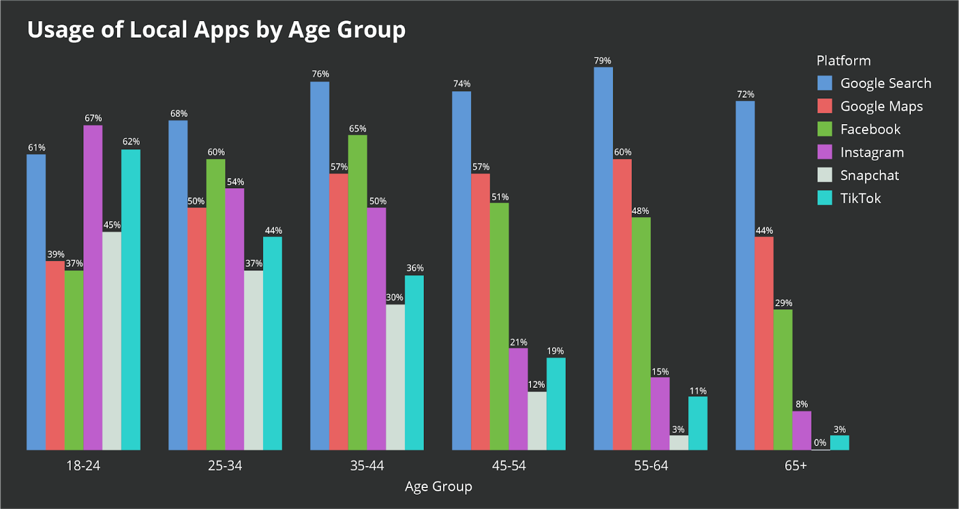
The way people search for travel information is clearly changing. Instead of collecting answers from many different websites, more travelers expect one reliable response that brings everything together.
Jared Rhizor, Founder of Elmo — Open Source AI visibility tracker, believes that shift is changing how travel companies compete for attention online. “AI assistants don’t browse the internet the same way people do. They look for sources they understand and trust before generating an answer. That means travel brands are no longer competing only for search rankings. They’re competing to become part of the information AI systems choose to surface. The companies that make their content clear, trustworthy, and easy for AI to understand are much more likely to appear when someone asks for travel recommendations.”
Hotels have noticed the same shift. Many now use guest preferences to prepare rooms before arrival, adjusting lighting, curtains, or even fitness equipment based on previous stays. The goal is to remove small points of friction so the experience feels more personal from the moment a booking is made.
Airlines and booking platforms are moving in the same direction. Many are preparing their systems for AI agents that can compare live prices, check availability, and complete reservations in one conversation. Travelers spend less time searching, while businesses that adapt to the way AI delivers information are putting themselves in a much stronger position for the future.
Solo Trips That Connect You With Others
Around 39% of Americans have already taken an international solo trip, while 20% say they have taken a solo trip before, showing that traveling alone has become a common choice instead of something unusual. Interest keeps growing too, with 35% saying they would be willing to travel alone in the future.
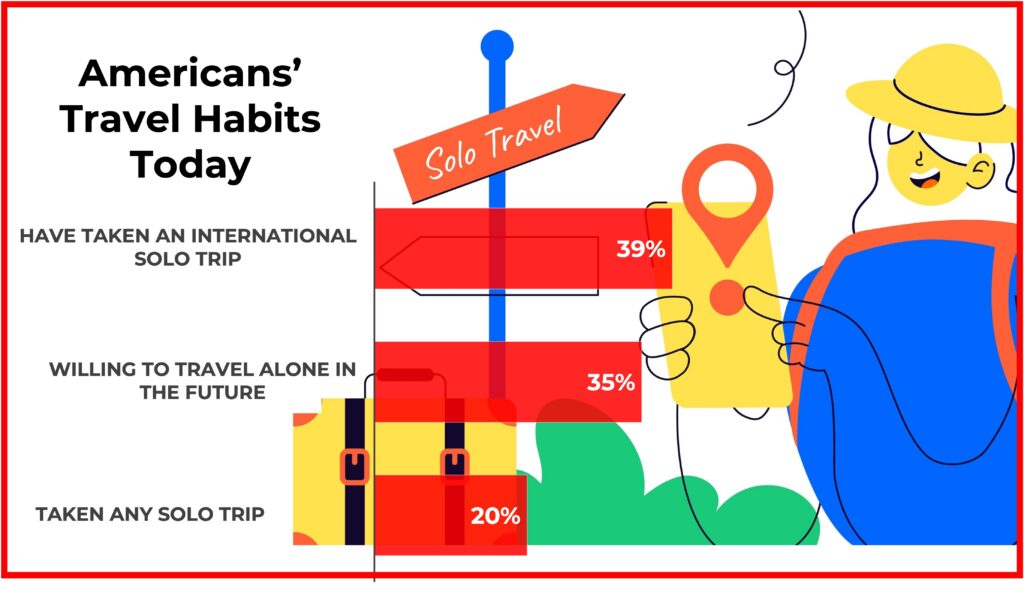
Traveling alone is no longer something people see as unusual. For many, it’s simply another way to travel. Without having to match someone else’s schedule, it’s easier to change plans, spend extra time in a place you enjoy, or book a different flight if something more interesting comes up.
Hans Desjarlais, Founder at FlightList, adds, “When you’re traveling on your own, you’re free to make decisions as you go. If you fall in love with a city, you can stay another day. If the weather changes or you hear about a place worth visiting, it’s much easier to adjust your plans. Better booking tools have made that kind of flexibility much more realistic than it was a few years ago, and many solo travelers now plan their trips with that freedom in mind.”
Traveling solo doesn’t mean spending the whole trip alone. Seven in ten leisure travelers want experiences that help them meet people with similar interests, whether that’s through a walking tour, a cooking class, a shared stay, or a local event. You decide when you want company and when you’d rather explore by yourself.
Work Trips That Turn Into Vacations
Work trips no longer end when the meetings are over. Many people now add a few extra days to enjoy the city before flying home. A conference, client meeting, or company event becomes a chance to explore local attractions, try new food, and experience a place they may never have visited otherwise. This mix of work and personal travel has become a normal part of business travel.
Remote and hybrid work have made this much easier. You can finish your work during the day and spend your free time exploring once you’re done. That means you don’t always need to use extra vacation days to enjoy a trip. Hotels have adapted as well by offering faster Wi-Fi, comfortable work areas, and quiet spaces where guests can stay productive.
Marco Kohns, CMO at Globie, said, “The line between work and personal travel is much smaller than it used to be. Someone might spend the morning on video calls and the afternoon exploring the city, so staying connected matters throughout the day, not just during meetings. That’s why many travelers set up an eSIM for Pakistan or another destination before they leave, making it easy to keep working, navigate, message family, and enjoy the trip without thinking about their connection.”
Skipping the Crowds for Quieter Places
You want to enjoy a place, not spend half the day waiting in lines or squeezing through crowds. That’s why more travelers are looking beyond the busiest tourist hotspots and choosing smaller towns, quieter beaches, and places that feel more relaxed.
Research shows this change is already influencing where people go. Across the US and several European countries, 10% to 20% of travelers say an uncrowded or quiet destination plays a part in where they choose to travel, while 5% to 8% specifically look for places that are off the beaten path.
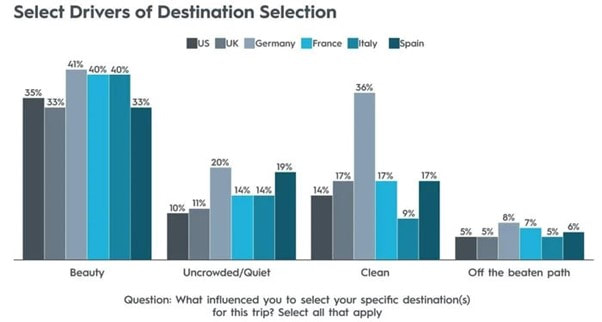
Those numbers may not be as high as beauty or cleanliness, but they show that avoiding crowds has become an important part of the decision for many travelers.
Choosing a quieter destination often leads to a better experience. You have more time to talk with local people, discover family-owned restaurants, visit attractions without long waits, and enjoy places that still feel authentic.
Many travelers now pair a well-known city with a nearby town or smaller destination, giving themselves a mix of famous sights and experiences that feel more personal. Instead of coming home with the same photos as everyone else, you return with memories that feel like your own.
Wellness Is Now Part of the Trip
Many people want a holiday that helps them feel better, not just one that fills their camera roll. Good sleep, less stress, healthy food, fresh air, and time away from everyday pressure have become just as important as famous landmarks.
A quiet beach, a mountain village, or a hotel with yoga classes and walking trails can be more appealing than a schedule packed with sightseeing. More travelers are choosing slower trips because they want to come home feeling rested instead of needing another break after the holiday ends.
Luciano Armanasco, Founder & Tour Leader at Our Dolce Vita, said, “Some of the happiest travelers aren’t the ones trying to see ten places in a single day. They’re the ones who leave enough time to enjoy a long lunch, walk through a quiet village, or simply sit in a local square and take everything in. Those slower moments often become the memories people talk about long after the trip is over.”
Hotels, resorts, and travel companies have adapted to those expectations. Many now include healthy meal options, guided nature walks, fitness classes, spa treatments, meditation sessions, and spaces designed for rest instead of constant activity.
You don’t have to build your whole trip around wellness to enjoy the benefits. Spending more time outdoors, eating well, and leaving room in your schedule to slow down often makes a holiday feel much more rewarding. That’s one of the reasons wellness has become such an important part of the way people travel today.
Travel That Gives Back to the Place
Many travelers care about what their visit leaves behind. A beautiful destination matters, but people are paying much more attention to how tourism affects the places they visit. Staying at a family-run hotel, eating at local restaurants, hiring local guides, or buying from small shops keeps more money in the community and often creates a much better experience than following the usual tourist route.
That way of thinking is becoming more common because more people are spending longer periods abroad instead of taking a short holiday. Digital nomads, retirees, remote workers, and investors often stay for months rather than days. When you expect to spend that much time somewhere, clean beaches, well-kept neighborhoods, local businesses, and a strong community suddenly matter much more than they did on a weekend trip.
David Lincoln, Founder of Lincoln Global Partners, highlights, “People preparing for a Digital Nomad Visa or a residency program ask very different questions from someone booking a two-week holiday. They’re interested in local neighborhoods, independent businesses, healthcare, schools, and whether a community will still be a good place to live years from now. That naturally leads them to support destinations that take better care of their people and their environment.”
Travel companies have noticed the same shift. Hotels are reducing waste, restaurants are working more closely with local suppliers, and many destinations are investing in projects that protect the places people come to enjoy. Visitors benefit from a more authentic experience, while local communities receive more of the long-term value tourism brings.
Trips Built Around Big Moments
Travel often starts with a reason, but it doesn’t always end there. A wedding, birthday, anniversary, graduation, or even corporate travel can become the beginning of a much longer experience. Instead of flying in for the event and heading home the next day, many people stay a little longer to explore the destination, relax, and enjoy time away from their normal routine.
That extra time changes the whole trip. After the meeting or celebration is over, there’s room to discover local restaurants, walk through neighborhoods you hadn’t planned to visit, or spend another day with family and friends. The main event still matters, but the memories often come from everything that happens around it.
People are doing the same thing after personal milestones as well. Finishing a major project, reaching a career goal, starting a new job, or turning an important birthday into a short getaway gives those moments even more meaning. Instead of treating travel as something separate from life’s biggest occasions, more people are using it to make those occasions even more memorable.
Chasing Stories Over Souvenirs
The best part of a trip often isn’t something you can fit in your suitcase. You remember the people you met, the food you tried, and the unexpected moments that made you smile. That’s why many travelers leave room in their plans instead of filling every hour with activities. A local recommendation, a small street market, or a hidden café often becomes the highlight of the entire trip.
Many people now look for experiences where they can take part instead of simply watching. That might mean joining a cooking class, learning a local craft, taking a guided neighborhood walk, or trying an activity they’ve never done before. These experiences help you understand a place in a way that shopping never can.
Seph Fontane Pennock, Founder & CEO of FatFire, shares, “One of the best travel decisions is keeping a little free time each day. That’s usually when you end up following a local recommendation, discovering a place that wasn’t in your guidebook, or spending longer somewhere you genuinely enjoy. Those unplanned moments often become the stories people remember long after the trip is over.”
So, Which Trend Is Pulling You?
Every one of these trends shows how travel is changing. You plan more carefully, use smarter tools, and look for trips that give you something meaningful in return. Saving money still matters, but so do the memories you make, the people you meet, and the positive impact your visit has on the places you explore. A great trip today feels personal because it matches what matters most to you.
So, which travel trend sounds most like you? Maybe you’re planning a solo adventure, looking for a quiet destination, or choosing a trip that helps you relax and recharge. Whatever your style, today’s travel trends give you more ways to make every journey feel worth taking.