



Trauma can affect more than an individual. Its effects may extend into families, relationships, and communities, creating challenges around connection, stability, and access to care. For veterans, immigrants, at-risk youth, and survivors of high-control environments, access to culturally responsive and trauma-informed mental healthcare can be an important part of the recovery process. Trauma-informed approaches emphasize safety, trust, collaboration, and empowerment while recognizing the lasting effects trauma can have on individuals and communities.
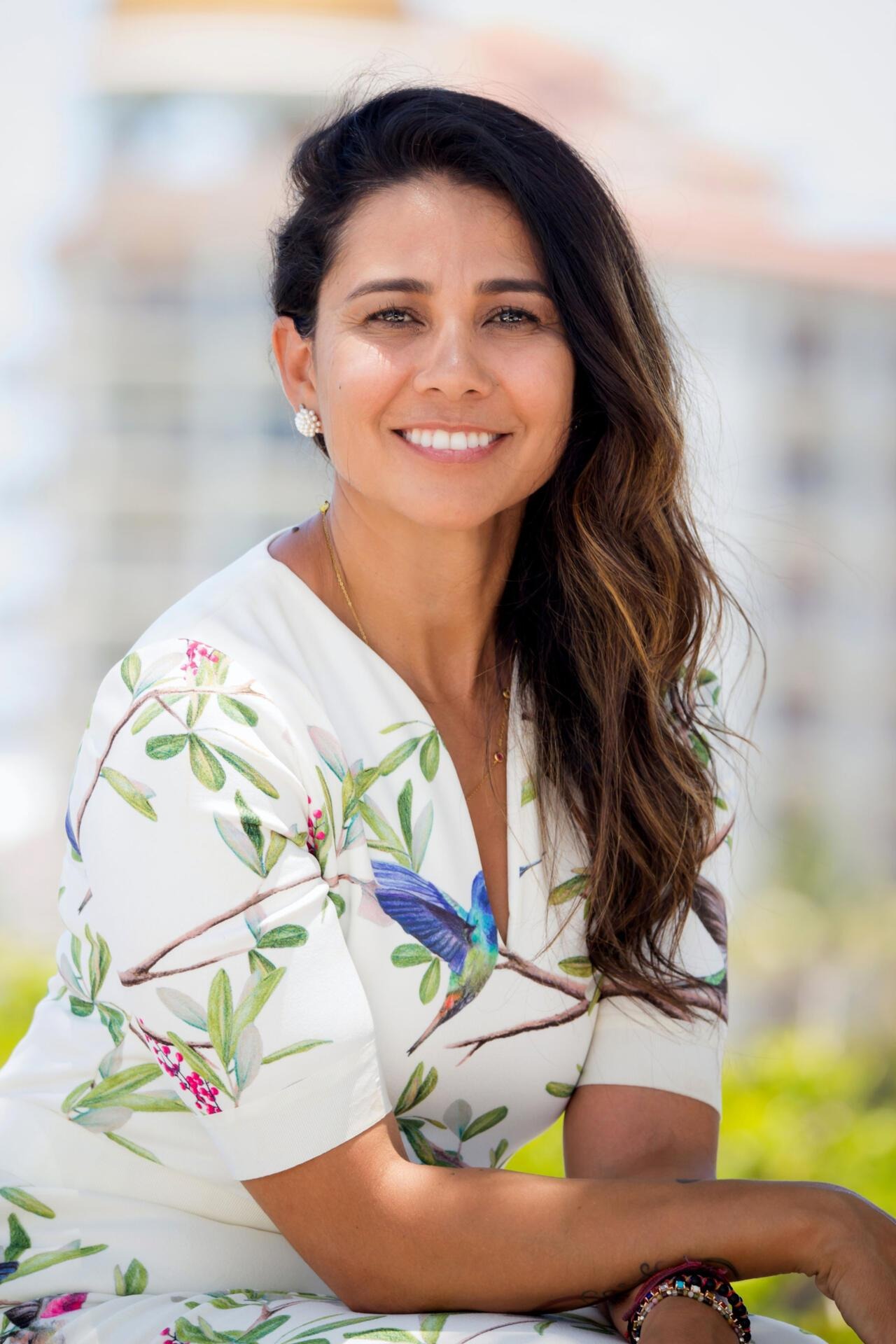
Dr. Johana Kuemerle-Pinillos, PhD, LCSW, founded Purposeful Journey and established Healing Grounds in Sarasota, Florida, as a community space focused on trauma-informed care, clinical services, classes, groups, and community activities. She brings more than two decades of experience in the mental-health field and describes her approach as combining clinical practice with community connection.
In this executive conversation, Dr. Kuemerle-Pinillos discusses the creation of Healing Grounds, her approach to trauma recovery, the role of community and storytelling, and the importance of culturally responsive care.
Q: You recently opened Healing Grounds at 5672 Marquesas Circle in Sarasota. What inspired you to build a dedicated physical community space, and how does it expand the scope of Purposeful Journey?
Dr. Kuemerle-Pinillos: Community spaces can play an important role in the healing journey because they can provide physical and emotional safety, along with a sense of belonging. I created this trauma-informed space with the intention of welcoming community members with openness and inclusiveness.
My purpose is to invite people who want to learn, gather, heal, and feel part of something bigger. I hold classes, groups, and community events here, and it’s also home to my clinical practice. Right now, I have open space for other wellness professionals in the community to join me as well.
A community member recently shared that when he walks into Healing Grounds, he just feels that things are going to be okay — and that’s the exact feeling I want everyone to have when they walk through the door.
Q: Healing Grounds incorporates specialized modalities such as EMDR, Internal Family Systems (IFS), and Ketamine-Assisted Therapy. How do these approaches fit into your work with clients experiencing complex trauma?
Dr. Kuemerle-Pinillos: All of these modalities inform how I approach my clinical practice, but at my core, I’m an attachment theorist. The therapeutic relationship and a person’s sense of safety are central to my approach.
When people experience difficult or traumatic events, they can develop strategies to cope with those experiences. Trauma-focused therapy can help people process difficult experiences and develop healthier ways of responding.
I also use approaches that consider the relationship between emotional experiences, thoughts, physical responses, and relationships. EMDR, IFS, and Ketamine-Assisted Therapy are among the approaches that inform my clinical practice, although treatment should always be individualized to the person’s circumstances and clinical needs.
Research on trauma-focused therapies continues to develop, and different approaches have different levels of evidence for different conditions. Ketamine-assisted psychotherapy, in particular, remains an area of ongoing research, with recent studies identifying potential benefits while also noting limitations in the existing evidence.
Q: You developed the Healing Voices program and its Spanish counterpart, Voces Sanadoras. What role does shared storytelling play in facilitating post-traumatic growth within local and Latino communities?
Dr. Kuemerle-Pinillos: As humans, we’re relational beings — wired for connection and relationship. During treatment, clients can come to understand the post-traumatic growth process, which can include a deeper sense of belonging that comes from being part of a community.
Narrative approaches can provide an opportunity for people to examine their experiences, process difficult events, and share their stories with people they trust. For some individuals, being heard and understood can become an important part of their broader recovery process.
That’s part of why I also developed the program in Spanish: to create a space where people can feel seen and supported during difficult times, and to remind community members that they are not alone.
Q: Your practice actively partners with nonprofit organizations to serve veterans, the LGBTQ+ community, neurodivergent individuals, and survivors of high-control environments. Why is tailored, culturally attuned care important for these populations?
Dr. Kuemerle-Pinillos: I see these populations as subcultures within the larger culture — each with specific experiences and specific needs. As an acculturation researcher, I understand culture, and culturally attuned care, as a vital part of understanding a person’s experience.
It’s important to me that people seeking support feel seen within the context of their own culture. As a veteran and military spouse, for example, I understand military families and some of the challenges they face, including frequent relocation. Acknowledging those circumstances can help create a more individualized therapeutic environment.
Q: From leaving Colombia at age 15 and navigating personal hardship to serving as a U.S. Air Force Mental Health Technician, you have lived through profound transitions. How does your lived experience shape your clinical philosophy today?
Dr. Kuemerle-Pinillos: My own post-traumatic growth informs and shapes my clinical philosophy in many ways. I have both a personal and professional understanding of what it takes to work through trauma and attachment-related difficulties, which makes me attuned and responsive to clients in ways that feel authentic and genuine.
My approach is direct and empathetic. I want clients to feel guided through their therapeutic process while also feeling deeply understood in their experiences.
Q: Healing Grounds also offers collaborative space to other wellness practitioners and provides institutional training. How do you envision this multidisciplinary hub influencing the broader mental-health ecosystem in Florida and beyond?
Dr. Kuemerle-Pinillos: I’m open to letting Healing Grounds develop organically. My main purpose is to offer a physical space that aligns with trauma healing through safety and belonging.
Collaborating with other wellness practitioners has already been meaningful, and I’m excited about the many ways Healing Grounds can support people on their healing journey and the support systems around them.
Looking Ahead
Trauma-informed care can involve more than clinical treatment alone. Safety, trust, cultural responsiveness, relationships, and access to appropriate support can all play a role in how people experience mental-health services. SAMHSA describes trauma-informed approaches as systems that recognize the effects of trauma and incorporate that understanding into policies, practices, and interactions.
Healing Grounds represents Dr. Kuemerle-Pinillos’ effort to combine clinical practice with community programming in Sarasota. Her work includes approaches such as EMDR, Internal Family Systems, and Ketamine-Assisted Therapy, alongside groups, classes, and community activities. These services and treatment approaches should be considered within the context of each individual’s needs and under the guidance of appropriately qualified professionals.
As research into trauma recovery and mental-health care continues to evolve, community-centered approaches remain an area of interest for clinicians and organizations seeking to make support more accessible and responsive to different populations.
To learn more, visit https://drkpurposefuljourney.com/index.php
Disclosure: This article is based in part on information provided by Dr. Johana Kuemerle-Pinillos about her background, clinical approach, programs, and Healing Grounds. Practice-specific descriptions and statements have not necessarily been independently verified. This article is for informational purposes only and is not medical advice, a diagnosis, or a recommendation for any specific treatment or provider.