



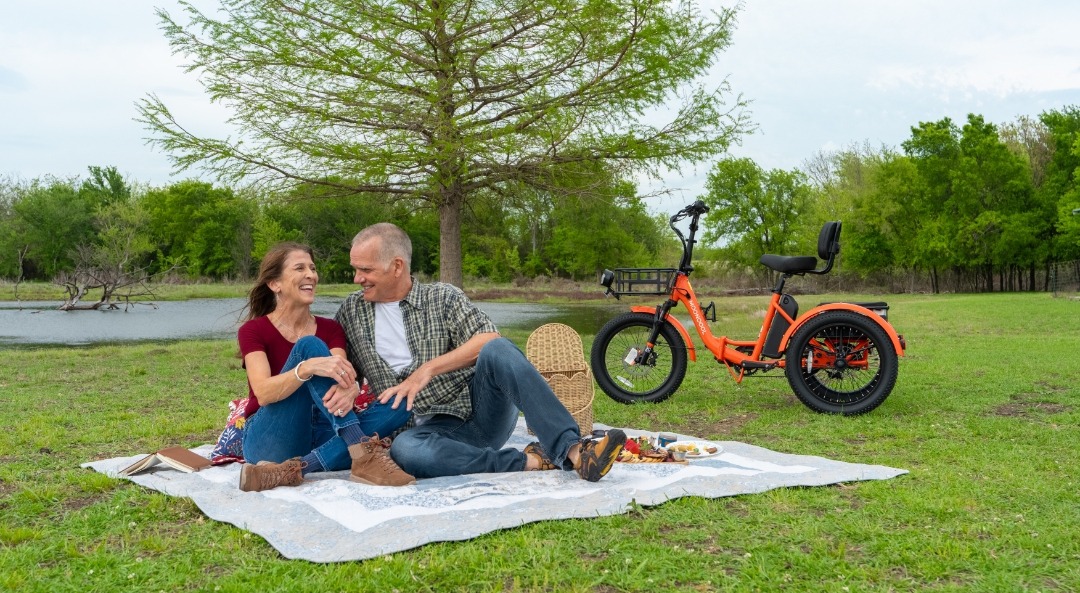
For millions of older adults in their later life, one of the most difficult challenges is the need of transport from one place to another. Whether they want to go to a grocery store two blocks away, want to attend a weekly park walk, or visiting a neighbor, the restriction of everyday movement can quietly erode independence — and with it, physical and emotional wellbeing.
According to the World Health Organization (WHO), the global population of adults aged 60 and over is expected to double by 2050, reaching over 2.1 billion people but the infrastructure and the transport, built to serve them has not kept pace. For many seniors, that gap is felt every single day.
Where Conventional Transport Falls Short
Public transportation, that was considered the backbone of urban mobility for so long, is actually a series of long obstacles for older adults. Uneven platforms, tight schedules, and the physical demands of boarding and even exiting the bus or trains can genuinely make routine travel painful or hazardous for those managing reduced balance, arthritis, or limited cardiovascular endurance.
All Rideshare services, while convenient in theory, have already introduced their own barriers like smartphone literacy requirements, which is another headache for your old folks, unpredictable wait times, and the mental load of coordinating a booking mid-work.
Personal cars, which many older adults continue to rely on well into their seventies and eighties, have carried their own risks. Some of the Age-related changes in reaction time, vision, and joint flexibility have forced transport safety researchers to repeatedly flag and raised question on the need for alternate mobility solutions for older adults — especially those living in suburban and semi-urban environments where car dependency is deeply embedded.
Electric scooters that are widely marketed as a solution are often viewed by seniors themselves as a last resort, carrying connotations of frailty and medical dependence that many older adults are understandably reluctant to accept.
The Rise of the Electric Tricycle
Right in this gap, there comes a category of vehicle that is neither car nor scooter, but something that’s closer to both in spirit: the electric tricycle for adults.
Unlike traditional bicycles, electric trikes offer a stable three-wheel base that don’t require absolute balance or core strength to operate safely at all. For seniors struggling with osteoporosis, early-stage Parkinson’s disease, or post-surgical recovery, this perk is diamond for them.
The low step-through frame that is used in many models removes the physical challenge of mounting, also the pedal-assist technology allows riders to cover distances that would be impossible on a traditional bicycle, By impossible I mean without arriving at their destination exhausted.
“A genuine behavioral shift is observed among the 60-plus demographic,” said a Toronto-based gerontological transport researcher. “The electric trike for seniors is not being adopted out of necessity in the way a walker or rollator might be instead People are choosing it because it genuinely expands their thoughts, their walks and their world. That’s a different conversation — one about quality of life rather than clinical management.”
The perk extends beyond pure function. Electric tricycles are an ultimate safe electric transportation that is quiet, emissions-free, and operable without a full driver’s license in many jurisdictions. You can ridden on bike paths and low-traffic streets, keeping elders out of the higher-risk environments of main roads while still empowering meaningful range, typically between 20 and 50 miles per charge depending on their model and terrain.
From Errand Runs to Neighborhood Life
In practical talk, the texture of life for older riders is changed by electric trikes daily in measurable ways. Those seniors who might rely entirely on family members or paid services for grocery runs are now making those trips independently. Models that come with rear cargo baskets accommodate a week’s worth of light shopping. Some with wider seats and ergonomic handlebars are being taken out to local parks, community gardens, and even in weekend markets.
Urban planners are beginning to recognize e-trikes as a meaningful component of a whole last-mile transportation strategy, Including in many American and European cities, Conventional mass transit was never designed to serve the short, neighborhood-scale movement. For older adults in particular, this last mile is often the whole journey.
Beyond this practical jump, there is a psychological domain that mobility researchers are paying increasing attention to. The independent ability to leave yours home, on your own schedule, and under your own power is closely linked to longitudinal studies of reduced rates of depression and cognitive decline in older adults. An electric trike is, in this particular sense is not simply a vehicle, it is a mechanism for preserving agency.
A Growing Market Responding to Real Demand
The commercial generation for individual electric mobility has increased impressively in a later, long time, with producers over North America, Europe, and Asia. All came presenting models particularly focusing on more seasoned riders. Highlighting hydraulic disc brakes, coordinated lighting, thumb-throttle choices for days when pedaling is troublesome, and LCD battery shows are presently considered standard desires rather than premium augmentations in this category.
Among the models that draw considerate attention in the senior portability category is the Mooncool TK2 which has been famous by its analysts for its step-through aluminum frame and double rear-wheel soundness.
A design choice, that reflects a clear understanding of the older adult use case. The broader category of electric trike for seniors continues to attract new audience as manufacturers starts noticing that the demographic consist of a large, underserved population with both the need and the means to invest in personal mobility.
In 2023, the global market for electric bicycles and tricycles soared past $49 billion, driven by a rapidly growing demand among seniors and those with mobility needs.
The rise of senior mobility scooters, among all of these emerging trends, is a distinct category that is attracting significant investment. Manufacturers are recognizing the opportunity to create products that not only offer practical mobility but also preserve the dignity and independence for the riders.
Looking Ahead
There is no one universal answer for the future of transportation specially for seniors. Ride-sharing services are set to keep progressing, urban infrastructure will gradually evolve, and advancements in vehicle technology would eventually present new possibilities.
However, in the immediate near future, with a rapidly increasing elderly population, just having an effective alternate that prioritize human needs is critically important in navigating cities and suburbs that were designed predominantly for cars.
Even though electric tricycles cannot address all mobility issues that older adults encounter but for the millions of individuals who feel stuck between autonomy and restrictions, the combination of three wheels and a quiet motor may represent a deeply meaningful opportunity.
“A Reason To Leave The House”.