
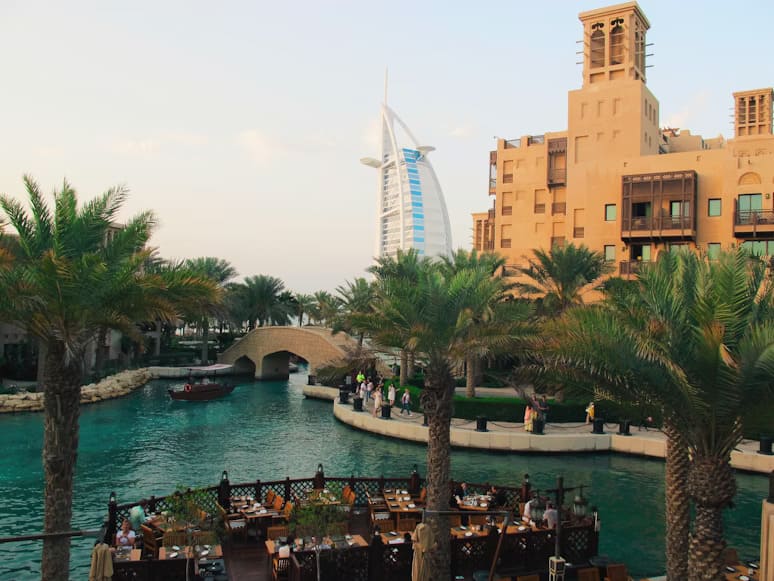



Dubai may look like a city built around driving, but you can explore much of it without renting a car. The city has an extensive Metro, Tram, bus and taxi network, along with marine transport, walking routes and cycling options. For tourists, the best approach is usually to combine public transport for longer journeys with walking or taxis for the last part of a trip. This guide explains how to get around Dubai without a car, how much different options cost and which transport works best for different situations.
Can You Get Around Dubai Without a Car?
Yes. Getting around Dubai without a car is practical for most tourists, especially if you stay near a Metro station or in a popular tourist district. Dubai’s public transport network connects major areas through the Metro, buses and Tram. Taxis and ride-hailing services then fill the gaps when a destination is farther from a station.
The Dubai Metro is usually the most useful option for affordable longer journeys. Its Red Line connects important areas including Dubai International Airport, Deira, Bur Dubai, Downtown Dubai, Mall of the Emirates and areas toward Dubai Marina. The Green Line serves parts of historic Dubai and connects with the Red Line.
You may still prefer a taxi when carrying luggage, traveling with children, visiting places away from Metro stations, or traveling late. A useful strategy is not to choose one transport mode for the entire trip. Instead, use the Metro for the main journey and switch to a taxi or walk when necessary.
For most visitors, this combination provides an easier and more affordable alternative to car rental.
Dubai Transport Options at a Glance
Dubai transportation gives tourists several ways to move around the city. The best option depends on distance, budget, weather, and where you are staying.
The Dubai Metro is the main choice for inexpensive journeys between major tourist areas. It is especially useful when your hotel and attraction are close to stations.
The Dubai Tram is more limited but useful around Dubai Marina and Jumeirah Beach Residence. It can connect with the Metro and make local journeys easier.
Dubai buses extend public transport into areas that are not directly served by rail. They are useful when the nearest Metro station is too far to reach on foot.
Dubai taxis offer door-to-door convenience. They cost more than public transport but can save considerable time when your destination is poorly connected.
Water transport includes abras, ferries and water taxis. These are useful when traveling along selected waterfront routes and can also turn a normal journey into a sightseeing experience.
Walking works well within compact tourist districts. Cycling is another option for selected leisure routes, although Dubai’s heat and large road network can make it less practical for longer trips.
The easiest way to get around Dubai for tourists is therefore a combination of Metro, walking and taxis rather than relying on one method for every journey.
Dubai Metro: The Best Choice for Affordable Travel
How the Dubai Metro Works
The Dubai Metro is a driverless rail system and one of the most useful parts of public transport in Dubai. Before entering a station, you need a valid Nol card or ticket. You tap when entering and again when leaving. The fare is calculated according to the zones covered during your journey.
Dubai is divided into seven public transport zones. Metro, Tram and public bus stations are distributed across these zones. Transfers between compatible public transport services can be integrated into a journey when the transfer rules are followed.
Red Line and Green Line
The Red Line is particularly useful for visitors because it runs through or near several major tourist areas. Stations include Dubai International Airport terminals, City Centre Deira, BurJuman, Dubai Mall area, Mall of the Emirates and Dubai Marina connections.
The Green Line is useful for exploring older parts of Dubai and connecting areas around Deira and Bur Dubai. BurJuman and Union are important interchange points between the two lines.
Where the Metro Takes Tourists
The Metro can take you close to many major attractions, shopping areas and business districts. However, remember that a station is not always directly outside your final destination. You may need to walk, take a short taxi ride, or transfer to a bus or Tram.
Tips for Using the Metro
Check your route before leaving and identify both your departure and arrival stations. Keep enough balance on your Nol card and remember to tap out at your destination. RTA currently states that a minimum balance of AED 7.50 is required for Metro use.
The Metro is usually the first transport option to check when planning a budget-friendly journey.
Dubai Tram, Bus and Monorail
Dubai Tram
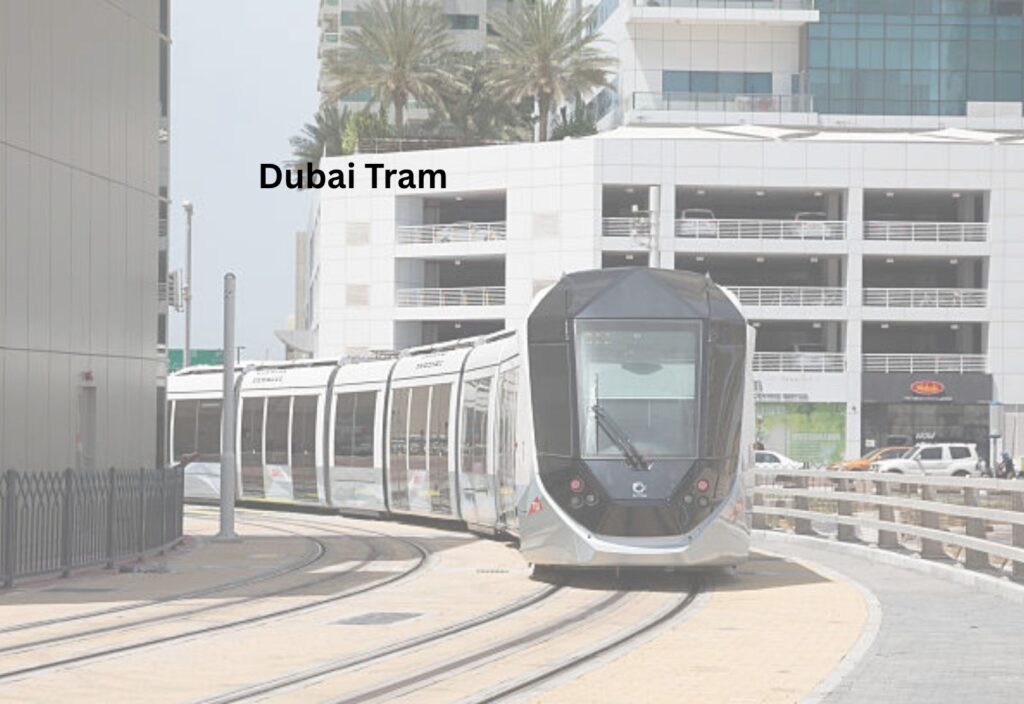
The Dubai Tram is particularly useful around Dubai Marina, JBR and nearby areas. It connects with the Metro and provides an easier way to move around the local district without using taxis for every short journey.
It is most useful when your destination is within the Tram network rather than across the wider city.
Dubai Bus
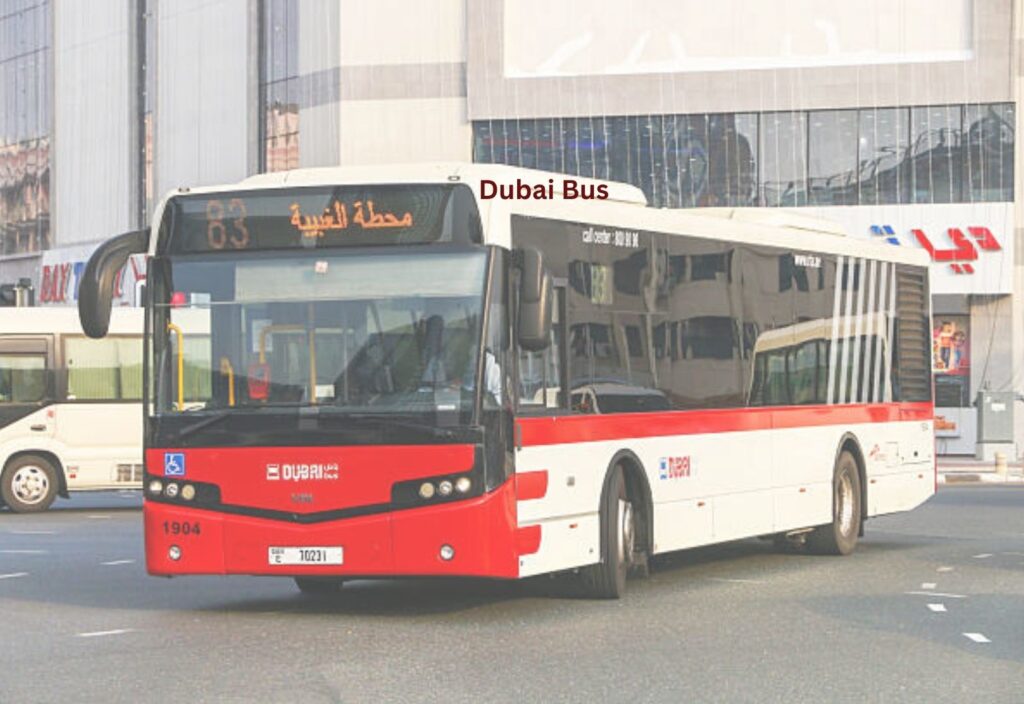
Dubai buses provide wider coverage than the rail network. They are useful for reaching neighborhoods and destinations that do not have a Metro station nearby.
For tourists, buses can be especially useful as the second part of a journey. You can travel by Metro for the main distance and then use a bus for the final connection.
Palm Monorail
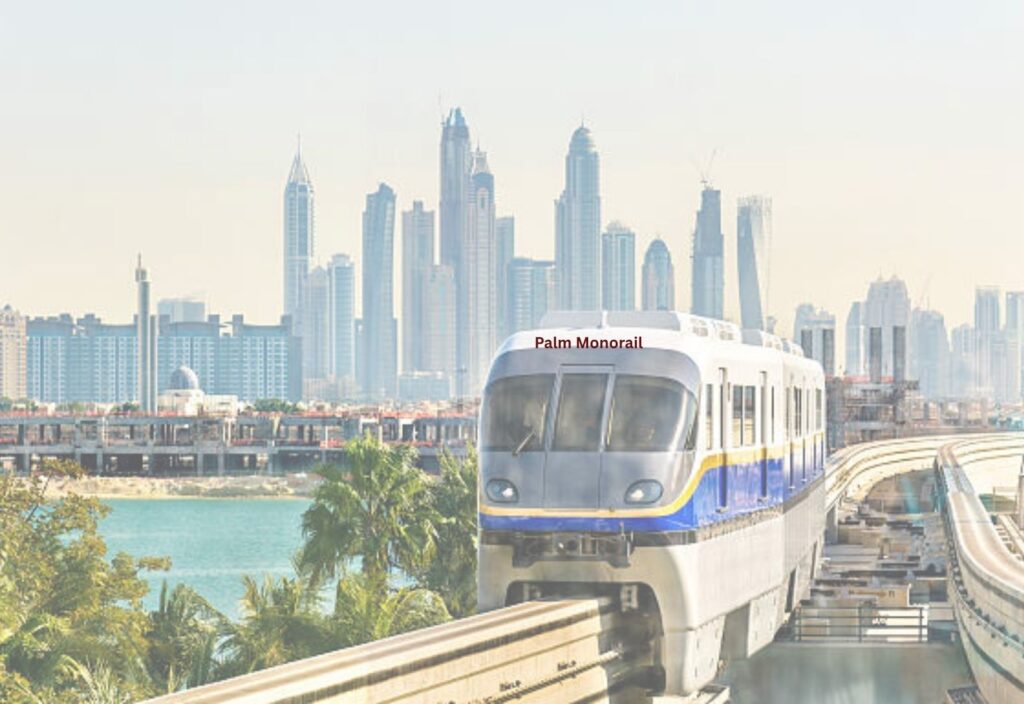
The Palm Monorail serves Palm Jumeirah and is different from the main RTA Metro and Tram network. It is particularly useful for visitors exploring attractions on the Palm.
When to Choose Each Option
Choose the Metro for longer affordable journeys. Choose the Tram for local travel around Marina and JBR. Choose the bus when the destination is outside the rail network. Choose the Palm Monorail when your itinerary specifically includes Palm Jumeirah.
This approach makes Dubai transport easier to understand because you choose the service according to your destination rather than trying to use the same option everywhere.
Dubai Taxis and Ride Hailing Services
Dubai Taxi
Dubai taxis are one of the easiest ways to get around when public transport does not take you close enough to your destination. They are particularly useful with luggage, children, or multiple travelers.
Taxi fares vary depending on the service, booking method, location, and time. RTA currently lists starting fares from AED 5 or AED 5.50 for road pickups, while e-hailing starting fares vary by service and timing. Airport taxis have higher starting fares.
Careem and Uber
Careem and Uber provide app-based ride-hailing and are convenient when you want to request transportation from your phone. They can be useful when you know exactly where you want to go and do not want to navigate several public transport connections.
When a Taxi Is Better Than Public Transport
Take a taxi when your destination is far from a Metro station, you have heavy luggage, you are traveling with young children, or you want to save time. A taxi can also make sense when several people are traveling together because the additional cost can sometimes be reasonable when divided between passengers.
Tips for Saving Money on Taxi Journeys
Use the Metro for the longest part of your journey whenever practical. Then take a short taxi ride to the final destination. This hybrid approach can be faster than taking a taxi across the entire city while remaining more convenient than using several public transport transfers.
Water Transport in Dubai
Abras
Traditional abras provide a simple way to cross Dubai Creek. They are particularly useful when exploring historic Dubai around Deira and Bur Dubai. They are inexpensive and offer a different experience from traveling by road.
Dubai Ferry and Water Taxi
Dubai’s marine transport network also includes ferries and water taxis. Nol cards can be used across several RTA marine transport services including Dubai Ferry, Dubai Water Taxi and Dubai Abra.
When Water Transport Makes Sense
Water transport is most useful when your route follows a suitable waterfront connection. It is not a replacement for the Metro across the entire city. Instead, consider it when exploring Dubai Creek, waterfront areas, or when you want sightseeing to be part of the journey.
Getting Around Dubai by Walking or Bike
Best Areas for Walking
Walking is practical in compact areas where several attractions are close together. Downtown Dubai, Dubai Marina, JBR and parts of Old Dubai can work well for short walks.
For example, once you arrive in a tourist district by Metro or Tram, walking may be easier than taking another vehicle for every short distance.
If the weather is hot, however, check the walking distance before leaving. A route that looks short on a map can feel much longer in high temperatures.
Cycling in Dubai
Cycling can be enjoyable on suitable dedicated routes and around recreational areas. It is better suited to leisure and local exploration than crossing the entire city.
When Walking Is Not Practical
Avoid treating walking as the default option between distant neighborhoods. Dubai is geographically spread out, roads can be large, and temperatures can make long walks uncomfortable. Use walking as part of a journey rather than assuming every attraction is close together.
How to Choose the Best Way to Get Around Dubai
Cheapest Way to Get Around Dubai
Public transport is generally the most budget-friendly choice for longer journeys. A Silver Nol Card currently charges AED 3 within one zone, AED 5 across two adjacent zones, and AED 7.50 across more than two zones.
Fastest Way to Travel
A taxi is often the most direct option because it takes you from one address to another. However, during busy periods, the Metro can be more predictable for journeys along its route.
Best Option for Short Distances
Walk when the distance is comfortable, and weather conditions allow. Otherwise, consider a short taxi or local Tram journey.
Best Option With Luggage or Children
Taxis are usually easier when you have suitcases, strollers or young children. You avoid stairs, transfers and long walks between stations and hotels.
Best Option for Sightseeing
A combination works best. Use the Metro to reach major districts, then walk around the area. Consider water transport when exploring the Creek or waterfront.
Getting Around Popular Dubai Tourist Areas Without a Car
Downtown Dubai and Dubai Mall
Downtown is one of the easiest areas to include in a car-free Dubai itinerary. The Metro provides access to the Dubai Mall and Burj Khalifa area, although you may still have a substantial walk or connected route from the station. For more ideas about what to see after arriving, explore this guide to Downtown Dubai.
Dubai Marina and JBR
The Metro and Tram make Dubai Marina and JBR relatively convenient without a car. The Tram is particularly useful for moving around the local area. You can also combine public transport with walking. Before planning your day, see the attractions and activities covered in this Dubai Marina guide.
Palm Jumeirah
The Palm Monorail is useful for exploring Palm Jumeirah after reaching the area. If you are planning a full day there, check your destinations before traveling because distances across the Palm can make walking impractical. This Palm Jumeirah guide can help you plan what to visit.
Deira and Bur Dubai
Metro, buses and marine transport make Old Dubai accessible without a car. Deira is well connected to the wider network while Bur Dubai offers access to historic attractions and Dubai Creek. Use this Deira Dubai guide when planning your route.
Dubai Creek
Dubai Creek is one of the best places to combine public transport, walking and traditional marine transport. You can travel to the area by Metro and then explore nearby markets and historic streets on foot.
Dubai Airport Area
Dubai International Airport is connected to the Metro network. The Red Line serves Airport Terminal 1 and Terminal 3 stations.
How to Travel Between Major Dubai Attractions Without a Car
Dubai Airport to Downtown Dubai
The Metro is a practical choice when your arrival terminal and hotel are convenient to the network. A taxi is easier if you have several bags or your hotel is far from a station.
Downtown Dubai to Dubai Marina
The Metro is usually the first option to check for this cross-city journey. Depending on your exact destinations, you may then walk or transfer to the Tram.
Dubai Marina to Palm Jumeirah
The Tram and Palm Monorail can work together depending on your starting point and destination. A taxi can be simpler when visiting a specific hotel or attraction away from the stations.
Deira to Bur Dubai
This is a good area for combining Metro, walking and an abra. The Creek separates the two historic districts, so marine transport can make the journey part of your sightseeing.
Downtown Dubai to Old Dubai
The Metro is useful for the main journey. Once you arrive, walking or a short local taxi ride can take you to individual attractions. For more historical attractions in the area, see this Bur Dubai guide.
Using a Nol Card for Dubai Public Transport
What Is a Nol Card?
A Nol Card is a reusable smart card used for Dubai public transport. It can be used on the Metro, buses, Tram, and several marine transport services.
Which Nol Card Should Tourists Choose?
For many tourists, the Silver Nol Card is the straightforward choice because it is the regular card. RTA lists its price at AED 25, including AED 19 balance, and gives it a five-year validity. The Gold Card costs the same initially but provides access to Gold Class cabins on the Metro and Tram at higher fares.
The Red Ticket is a disposable option for visitors making fewer public transport journeys. RTA lists the Red Ticket at AED 2 and says it can be used for up to 10 journeys or five daily passes.
Where to Buy and Top Up a Nol Card
You can buy Nol cards from ticket offices, vending machines, RTA customer centers and authorized sales agents. Top up before your balance becomes too low.
Using Nol Across Different Transport Modes
Tap your card when entering and leaving the relevant transport system. RTA allows integrated transfers between Metro and bus when the transfer conditions are met.
How Much Does It Cost to Get Around Dubai?
Public Transport Costs
Current RTA fares depend on the number of zones traveled. Silver fares are AED 3 within one zone, AED 5 across two adjacent zones, and AED 7.50 across more than two zones.
Taxi Costs
Taxi costs depend on the service and circumstances. RTA currently lists road pickup starting fares from AED 5 or AED 5.50, while airport and e-hailing starting fares are higher.
Ways to Reduce Transportation Expenses
Use public transport for long journeys, walk between nearby attractions, and reserve taxis for areas with poor public transport connections.
When Paying More for Convenience Makes Sense
A taxi is worth considering when it saves a long transfer, especially with luggage, children or a tight sightseeing schedule. The cheapest option is not always the most practical option.
Dubai Transport Apps and Route Planning
RTA and Journey Planning
Use official RTA services to check routes, fares and transport information before traveling. A route planner can help identify Metro, bus and Tram combinations.
Dubai Metro Map and Route Planning
Check the Metro map before leaving your hotel and identify interchange stations. This reduces confusion and helps you estimate the walking required after arrival.
Careem and Uber
Ride-hailing apps are useful when public transport does not provide a convenient connection. Keep one available as a backup even if you mainly use the Metro.
Checking Routes Before You Travel
Dubai transport conditions can change because of events, maintenance, or road congestion. Check the latest route information before starting an important journey.
Practical Tips for Getting Around Dubai Without a Car
Plan Around Distance and Travel Time
Do not judge a journey only by the distance shown on a map. Consider station locations, walking time, transfers, and waiting time.
Avoid Peak Travel Periods When Possible
Busy periods can mean crowded stations and slower road journeys. If your schedule is flexible, travel outside the busiest periods.
Consider Dubai’s Weather
Heat can make a short outdoor walk uncomfortable. In warm weather, choose routes with less outdoor walking and use taxis for the final part when necessary.
Allow Time for Walking and Transfers
A Metro journey may look simple, but the total trip includes getting to the station and reaching your final destination. Leave enough time between activities.
Keep Your Nol Card Ready
Check your balance before starting a journey. RTA advises passengers to maintain the required minimum balance and tap correctly when entering and exiting.
Check Transport Operating Times
Transport schedules can vary by service and day. Check current operating information before planning an early morning or late night journey.
Frequently Asked Questions
How do you get around Dubai without a car?
Use a combination of Metro, Tram, buses, taxis, marine transport and walking. The Metro is particularly useful for major tourist corridors.
What is the best way to get around Dubai?
For many tourists, the best approach is Metro for longer journeys followed by walking or a taxi for the final connection.
Is it easy to get around Dubai without a car?
Yes. Dubai has a well-developed public transport network, although some attractions still require a taxi or additional walking.
What is the cheapest way to travel around Dubai?
Public transport is generally the most affordable option. Current Silver Nol fares range from AED 3 to AED 7.50 depending on zones.
Can tourists use public transport in Dubai?
Yes. Tourists can use Dubai Metro, buses, Tram and eligible marine transport with the appropriate Nol card or ticket.
Do you need a car to get around Dubai?
No. You can explore many major tourist areas without renting a car, particularly if you plan your accommodation and attractions around public transport.
Is Dubai public transport easy to use?
Yes. The network is integrated, and route planning is straightforward when you check stations, zones and transfers before traveling.
How do you get from Dubai Airport to the city without a car?
The Dubai Metro Red Line serves Airport Terminal 1 and Terminal 3. A taxi is another option when your hotel is not convenient to a station, or you have heavy luggage.